Expert AC Installation Dubai | Trusted Cooling Solutions
Proper AC installation in Dubai isn't just about escaping the summer blaze. It's a serious investment in your comfort, the air you breathe, and your property's long-term energy bills. The city's intense heat and humidity demand a level of expertise that goes way beyond a standard, one-size-fits-all installation.
Decoding Dubai's Demanding Climate for Your AC
Putting an AC unit in a Dubai villa is a completely different ball game than installing one in a milder climate. Here, your AC isn't just a seasonal convenience; it's a workhorse running almost non-stop for months on end. That kind of relentless operation puts an incredible amount of strain on every single part, from the compressor right down to the coolant lines.
The environment itself is a triple threat: scorching heat, sticky humidity, and a constant barrage of airborne dust. Each one of these factors wages war on your AC's performance and lifespan, which is why getting the initial installation right is absolutely non-negotiable.
The Challenge of Extreme Heat and Humidity
When summer temperatures consistently push past 40°C, your AC system is forced to run at full throttle for hours, sometimes days, at a time. It’s not just about cooling the air, either. It’s about wrestling with the thick, persistent humidity. An undersized or poorly installed unit will lose that fight, leaving you with a damp, clammy feeling indoors—the perfect breeding ground for mould.
A correctly installed AC system must be powerful enough to handle the peak thermal load without being oversized, which would lead to inefficient short cycling and poor dehumidification. This balance is key to both comfort and cost savings.
Let's not forget the salty coastal air. When mixed with high humidity, it creates a corrosive cocktail that loves to eat away at your outdoor condenser unit. Any professional AC installation in Dubai worth its salt will account for this, placing the unit strategically and even recommending anti-corrosion coatings to shield your investment from the elements.
Battling Sand and Dust
The fine desert sand and construction dust that fills Dubai's air present another huge hurdle. These tiny particles are experts at clogging up air filters and coating the sensitive evaporator and condenser coils. This buildup acts like an insulating blanket, choking off airflow and forcing the entire system to work much harder just to cool your space.
A quality installation means meticulously sealing any air leaks in the ductwork and ensuring the unit is placed where it can be easily accessed for regular cleaning. Skimp on this, and you're asking for trouble:
- Reduced Cooling Efficiency: The system runs longer to hit the temperature you’ve set, which you'll see reflected in higher DEWA bills.
- Poor Indoor Air Quality: Clogged filters can no longer trap allergens and dust, so they just get circulated back into the air you breathe.
- Increased Wear and Tear: The extra strain on the fan motor and compressor can cause parts to fail long before they should.
This constant need for reliable cooling is exactly why the local market is booming. The UAE Air Conditioners Market was valued at around USD 1.26 billion in 2024 and is expected to hit USD 1.81 billion by 2030. This isn't just a number; it reflects the reality of living in this climate, fueled by new construction and the high demands of the hospitality sector. You can dig deeper into this trend in the full market research report.
Because your AC is so critical, think of it as part of your property's overall health. To see how it fits into the bigger picture of property care, you can learn more about seasonal building maintenance in Dubai. Hiring a professional ensures your system is ready for these environmental challenges from day one, protecting its performance for years to come.
How to Choose the Right AC System in Dubai
Picking the right AC for your place in Dubai isn't just a minor purchase—it's a major decision that echoes through your monthly bills and daily comfort for years to come. This isn't about grabbing the priciest unit off the shelf. It’s about smart selection, matching the right technology to your home, your lifestyle, and your budget. A proper AC installation in Dubai starts long before the tools come out; it starts with this choice.
Get it wrong, and you'll feel it in your DEWA bill, hear it in the constant hum of an overworked machine, and deal with it through frequent maintenance calls. Get it right, and you've got a quiet, comfortable home that's surprisingly efficient. Let's walk through the options you'll actually find here in Dubai.
AC System Comparison for Dubai Properties
When you're shopping for an AC in Dubai, you'll generally come across three main contenders: Split, Central, and VRF systems. Each one shines in different scenarios, from a studio apartment overlooking the Marina to a sprawling villa in Arabian Ranches. To make it clearer, here's a direct comparison of what you can expect from each.
| AC Type | Best For | Typical Cost Range (AED) | Energy Efficiency | Maintenance Needs |
|---|---|---|---|---|
| Split AC | Single rooms, apartments, studios, and smaller offices. Great for zoned cooling. | 2,500 - 7,000 per unit | Good to Very Good (look for high EER ratings) | Regular filter cleaning; individual unit servicing. |
| Central AC | Villas, large apartments, and entire floors. Provides uniform cooling. | 30,000 - 100,000+ | Fair to Excellent (depends heavily on the system's EER) | Annual duct cleaning and servicing of the central unit. |
| VRF System | Luxury villas, commercial buildings, and properties needing simultaneous heating/cooling. | 50,000 - 200,000+ | Excellent | Specialised, requires certified technicians. More complex. |
Ultimately, the choice depends on balancing upfront cost with long-term running expenses. A cheaper unit might seem appealing now, but high DEWA bills can quickly erase those initial savings.
The biggest mistake I see homeowners make is fixating on the price tag alone. The real cost of an AC isn't what you pay at the store. It's the purchase price, plus installation, plus a decade of running it through gruelling Dubai summers.
Think of it this way: your money is split between the machine itself, the labour to install it, and the upkeep that keeps it running efficiently.
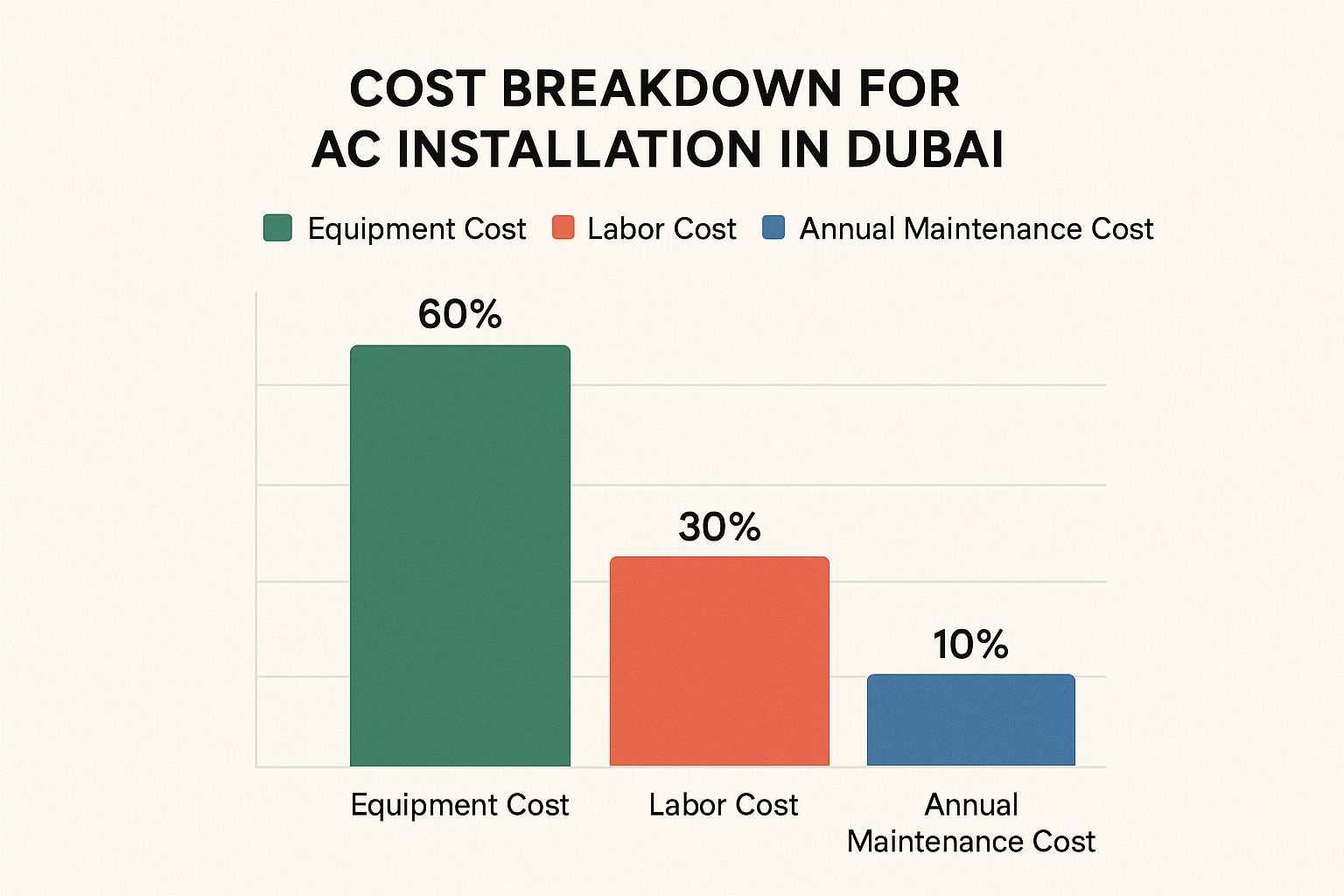
As you can see, the equipment is just one piece of the financial puzzle. Budgeting for proper maintenance from day one is non-negotiable if you want the system to last.
Getting the AC Tonnage Right
Here’s where things get a bit technical, but it’s crucial. "Tonnage" is the measure of an AC's cooling power. One ton is equal to 12,000 BTUs (British Thermal Units) of cooling capacity per hour. Nailing this calculation is everything.
Go too small, and the unit will run non-stop, burning through electricity without ever hitting that cool, comfortable temperature. It's a fast track to a burnt-out compressor. But bigger isn't always better. An oversized unit blasts the room with cold air and shuts off too quickly, failing to run long enough to pull the humidity out of the air. The result? That dreaded cold, clammy feeling.
A professional technician doesn't just guess. They calculate the perfect tonnage based on a handful of key factors:
- Room Size: Simple square footage is the starting point.
- Sunlight: A west-facing room getting blasted by the afternoon sun needs way more cooling power.
- Ceiling Height: High ceilings in a Jumeirah villa mean a larger volume of air to cool.
- Insulation: Are the windows single or double-glazed? How well are the walls insulated?
- Occupancy: How many people will be in the space regularly? People generate heat!
Putting It All Together: Real-World Scenarios
Let's make this practical.
Imagine you own a two-bedroom apartment in Downtown that you rent out. A couple of high-quality split ACs are probably your best bet. Tenants get control over their own rooms, and if one unit fails, you're only replacing that one, not the entire system.
Now, picture a family in a four-bedroom villa in The Springs. A high-efficiency central AC system with a top-tier EER (Energy Efficiency Ratio) is the smarter long-term play. Yes, the upfront AC installation in Dubai will cost more, but the massive savings on your DEWA bill over the next 10-15 years will more than justify it. It’s an investment in both comfort and financial sense.
What a Professional AC Installation Actually Involves
There’s a massive gap between just "hooking up" an AC unit and carrying out a professional installation. A proper AC installation in Dubai is a craft. It’s a meticulous process that has a direct say in your system's performance, how long it lasts, and even your family's safety. It's so much more than just mounting hardware—it’s about precision and having the foresight to prevent future problems.
Sure, a cheap, cut-rate job might give you cool air for a little while. But it almost always leads to rattling noises, annoying water leaks, and DEWA bills that will make your eyes water. A professional job, on the other hand, is a solid investment. It’s buying yourself years of quiet, efficient, and reliable cooling.
So, what should you actually expect when a skilled crew shows up at your door?
The Critical Site Evaluation
The real work starts long before a single tool comes out of the box. A thorough site evaluation is the bedrock of any successful installation. This isn’t just a quick glance around the room. It's more like a detective's investigation, where technicians are hunting for any potential issue that could sabotage your new AC.
First up, they’ll check your electrical setup. Are the circuits and breakers ready to handle the load of a modern, powerful AC unit? This is a non-negotiable safety check. For central systems, they’ll get into the ceiling to inspect your ductwork, looking for leaks or blockages that could choke the airflow and just waste energy.
Most importantly, they figure out the absolute best spot for both the indoor and outdoor units. This is a strategic game of balances:
- Maximum Airflow: Placing the indoor unit where it can push cool air evenly throughout the entire space, getting rid of those frustrating "hot spots."
- Quiet Operation: Setting the outdoor condenser where its hum won't bother you or your neighbours, usually on a solid, level base.
- Easy Maintenance Access: Making sure both units can be easily reached for cleaning and servicing down the road.
Core Installation Procedures
Once the plan is locked in, the physical work begins. This is where you can instantly see the difference between a rookie and a pro. Precision is everything.
They'll securely mount both the indoor and outdoor units. A key detail for the outdoor condenser is installing anti-vibration pads. In a city filled with high-rise apartments and quiet villas, these small rubber pads are absolutely essential. They absorb the vibrations from the compressor, stopping that low, annoying hum from travelling through your walls and floors.
A tell-tale sign of a rushed job is a vibrating outdoor unit you can hear and feel inside. This is almost always because the installer skipped the anti-vibration pads—a tiny detail with a massive impact on your comfort.
Connecting the refrigerant lines correctly is another make-or-break step. The copper lines have to be flared perfectly and tightened to a specific torque. Get this wrong, and you’re looking at slow, costly refrigerant leaks. A system low on refrigerant doesn't cool well and puts a huge strain on the compressor—the heart of your AC and its most expensive part.
The Technical Details That Matter
Beyond the basic mounting and connecting, a few technical steps separate a great installation from one that’s just "good enough." These are the details that guarantee peak efficiency.
Proper Drainage Setup Your AC pulls an incredible amount of moisture from Dubai’s humid air, and that water has to go somewhere. A pro will install the condensate drain line with a consistent, gentle downward slope. This prevents water from sitting in the pipe and backing up into your unit, which is the number one cause of water leaks that can ruin walls, ceilings, and flooring. If you're considering flooring that can withstand such issues, you might find our essential guide to PVC flooring materials useful.
Accurate Refrigerant Charging Getting the refrigerant level just right is both an art and a science. Technicians use specialised gauges to fill the system precisely to the manufacturer’s specifications. It has to be perfect.
- An undercharged system will struggle to cool and can cause the compressor to overheat.
- An overcharged system is less efficient and can send liquid refrigerant flooding back to the compressor, causing total failure.
Finally, with everything connected, the technicians will perform a vacuum pump down. This crucial step sucks all the air and moisture out of the refrigerant lines before the refrigerant is added. Skipping this leads to internal corrosion and will drastically shorten your AC's life. It’s this attention to every single detail that shows why a skilled technician is non-negotiable for any AC installation in Dubai.
Why High Energy Efficiency Is Your Best Investment
In a city where your air conditioner is practically a full-time resident, energy efficiency isn't just a "nice-to-have" feature. It's a core financial strategy. Choosing an efficient unit for your ac installation in Dubai goes beyond being green; it's a smart, long-term investment that shows up on your monthly DEWA bills and even boosts your property's value.
Think of it like buying a car. You could grab an old, cheap gas-guzzler that costs less upfront, but you'll feel the pain at the pump every single month. Or, you could invest in a modern hybrid that saves you money on every kilometre. An energy-efficient AC is that hybrid—a slightly higher initial cost that pays for itself over and over.
The numbers back this up on a massive scale. Total electricity consumption in Dubai hit a staggering 56.52 terawatt hours in 2023, with commercial properties making up nearly half of that. This huge demand is driven by our reliance on cooling systems in homes, offices, and hotels, making the push for efficient ACs absolutely critical. You can discover more insights about these energy trends and see just how central cooling is to the city's power grid.
Translating Tech Specs into Real Savings
When you start shopping for an AC, you'll be hit with a wall of acronyms like EER and SEER. It's easy to get lost in the technical jargon, but these ratings are your best friends for understanding how much an AC will actually cost to run.
- EER (Energy Efficiency Ratio): This gives you a snapshot of how efficiently an AC cools at a single, high temperature (usually around 35°C). It’s a great indicator of performance during Dubai's peak summer heat.
- SEER (Seasonal Energy Efficiency Ratio): This one is more sophisticated. It measures efficiency across an entire cooling season, factoring in a range of different temperatures. A higher SEER means better year-round savings.
For our climate, both ratings matter, but SEER gives you a much clearer picture of your likely annual costs. The higher the number, the less electricity the unit sips to keep you cool.
The Power of Inverter Technology
The biggest game-changer in AC efficiency over the last decade has been inverter technology. A traditional, non-inverter AC works like a light switch—it's either blasting at full power or completely off. The compressor violently kicks on, cools the room, and then shuts down, repeating this power-hungry cycle all day long.
An inverter AC, on the other hand, is more like a dimmer switch. Instead of shutting off, its compressor just slows down once the room is cool, using minimal power to maintain a steady temperature. This brings two massive benefits:
- Huge Energy Savings: By skipping those constant, power-draining startups, inverter ACs can slash your cooling-related electricity costs by 30-50%.
- Unbeatable Comfort: The room temperature stays incredibly consistent, so you can say goodbye to those annoying swings from too cold to too warm.
When clients ask me how to get their DEWA bill under control, my first question is always about their AC. Switching to a high-SEER inverter unit is often the single most powerful upgrade a homeowner in Dubai can make. The savings aren't just theoretical; you see them on your bill from the very first month.
Installation Unlocks True Efficiency
Now for the catch. You can buy the most efficient, top-of-the-line AC on the market, but if it's installed poorly, you're throwing all those potential savings out the window. A professional ac installation in Dubai is what actually unlocks the efficiency you paid for.
An expert technician ensures every single component is working in perfect harmony. They check for airtight ductwork, add precise refrigerant levels, and guarantee proper airflow. A tiny leak in a duct or a slight undercharge of refrigerant can force even the best system to work much harder, burning more energy and completely wiping out the benefits of its high SEER rating. Your investment in efficiency is only as good as the quality of the installation that brings it to life.
Essential Checks and Maintenance After Installation
A successful AC installation in Dubai doesn’t end the second the technician’s van pulls away. Think of that final sign-off as the start of your system’s long journey. To protect your investment, especially against our gruelling climate, you need to verify the work immediately and commit to proper care.
Those first few moments after the installation wraps up are your golden window of opportunity. This is your chance to confirm everything is running just as it should. Don't feel awkward about asking your technician to walk you through a final check. Believe me, this small step can prevent a minor hiccup from turning into a major, mid-summer disaster.
Your Post-Installation Verification Checklist
Before you sign off on the job, spend a few minutes going over the work with the installation team. Any professional company worth its salt will be more than happy to do this—it's a chance for them to show off the quality of their work.
Here’s a quick rundown of what to look for and what to ask:
- Feel the Flow: Walk into each room and hold your hand up to the vents. Is the airflow strong and consistent? A weak or uneven flow is a red flag. If they have a digital anemometer, ask to see the readings.
- Listen Closely: A brand-new AC should be a quiet workhorse. Tune your ears for any strange rattling, buzzing, or grinding noises coming from either the indoor or outdoor unit. These sounds often point to a loose part.
- Test the Thermostat: Set the thermostat a few degrees cooler than the room's current temperature. The AC should kick on without delay. Let it run for a solid 15-20 minutes to make sure it hits and holds the temperature you set.
- Go on Leak Patrol: Take a close look around the indoor unit. See any water drips? Also, peek at the new condensate drain line to ensure water is flowing away correctly, not pooling up.
This initial once-over is your quality control. It confirms the job was done properly and gives you a solid baseline for what "normal" looks and sounds like for your system.
The most reliable AC systems are those that are properly verified upon installation and consistently maintained thereafter. Neglecting the first check or the ongoing care is like buying a performance car and never changing the oil—you're simply waiting for a breakdown.
Building a Simple Year-Round Maintenance Schedule
Right, so you've confirmed a flawless installation. Now what? The focus shifts to long-term health. With the dust and humidity we deal with in Dubai, an "install and forget" mindset is a recipe for trouble. Proactive maintenance isn’t just a good idea; it’s absolutely essential for efficiency and a long lifespan.
Don’t worry, this doesn't have to be complicated. By breaking it down into simple, regular tasks, you can easily keep your AC in prime condition and prevent that slow creep of inefficiency that drives up DEWA bills.
Key Maintenance Tasks for Dubai's Climate
Your routine needs to be built around tackling sand, dust, and humidity head-on. Here’s a practical schedule that actually works.
Monthly Homeowner Checks:
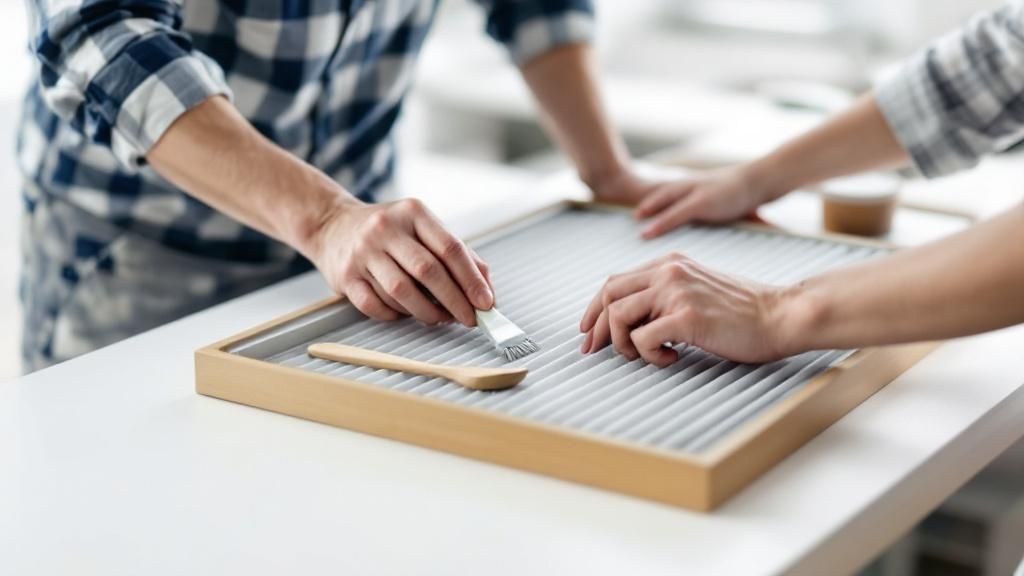
- Inspect and Clean Filters: This is the single most important thing you can do yourself. Clogged filters choke the system, restricting airflow, making it work harder, and pumping dust back into your home. Check them every month and clean or replace them.
Quarterly Actions:
- Clear the Outdoor Unit: Make sure the area around the condenser unit outside is clear. Get rid of any leaves, sand, or other debris that can block airflow and stop it from releasing heat effectively.
Annual Professional Servicing: This one is non-negotiable. Once a year, ideally just before summer hits its peak, get a qualified HVAC technician in. Their service is much more than just a filter change.
A proper professional service should cover:
- Deep Coil Cleaning: They’ll clean both the indoor evaporator and outdoor condenser coils to get rid of the stubborn grime that a simple wipe-down won't touch.
- Refrigerant Level Check: They will verify the system has the exact amount of refrigerant it needs to cool at its best.
- Electrical Inspection: This involves tightening connections and checking wires and capacitors for any signs of wear and tear.
- Condensate Line Flush: They’ll make sure the drain is completely clear to prevent water from backing up and causing damage. This simple step can save your interiors, including your floors. Speaking of which, if you're looking for durable flooring, our essential guide to PVC flooring materials has some great information.
Stick to this schedule, and you’ll ensure your AC installation in Dubai gives you years of efficient, reliable cooling—protecting you from both the heat and surprise repair bills.
Of course. Here is the rewritten section, crafted to sound like an experienced human expert, following all your specified requirements.
Your Top AC Installation Questions, Answered
Thinking about a new AC installation in Dubai? It's a big decision for your home's comfort, and it's totally normal to have a lot of questions. We get them all the time.
So, let's cut through the noise. Here are straight-up answers to the most common queries we hear, based on years of getting our hands dirty with every type of AC project across the UAE.
How Long Does It Really Take to Install a New AC?
This is usually the first thing people ask, and honestly, it depends. The job's complexity is the biggest factor.
If we're just swapping out an old split AC unit for a new one in an apartment, it's pretty quick. We can usually get that done in about 3 to 5 hours.
But installing a central AC system in a villa? That’s a whole different ball game. You're looking at anywhere from one to three full days of work. That timeline accounts for things like adjusting ductwork, pulling new electrical lines, and getting that big outdoor unit perfectly situated. After a proper site check, any good technician will give you a solid time estimate.
What's the Deal with Permits and Approvals?
For a simple residential AC swap—like replacing an old split unit—you generally don’t need to worry about permits yourself. The building management typically holds the overall approvals for this kind of work.
Things change when the job gets bigger, especially for new constructions or major overhauls.
- For Villas: If the installation requires structural changes or significant electrical upgrades, your contractor will likely need to get the green light from authorities like the Dubai Municipality or DEWA.
- For Apartments: This is all about your building's management or the owner's association. You'll absolutely need a No Objection Certificate (NOC) before a single tool comes out. A reputable company will either handle this for you or walk you right through the process.
Always, always check the NOC requirements with your building management before scheduling the work. Starting without one is a recipe for disaster—think fines, work stoppages, and a whole lot of unnecessary stress and expense.
Can I Just Buy My Own AC Unit?
Absolutely. You can definitely shop around for the best deal on an air conditioner and then hire a professional team just for the installation. A lot of homeowners do this.
Just make sure you're crystal clear with the installation company. Tell them the exact make and model you bought so they can show up with the right fittings and tools. One key thing to remember: the warranty for the unit itself will be with the retailer you bought it from, while the installation labour is guaranteed by the technicians.
What's the Single Biggest Mistake People Make?
Easy. Trying to save a few hundred dirhams by hiring an unqualified "freelancer" or a buddy with a toolbox. A bad AC installation in Dubai isn't just a poor investment; it's a ticking time bomb.
We’ve seen it all, and the fallout is never pretty.
- Refrigerant Leaks from copper pipes that weren't flared correctly.
- Water Damage seeping into walls because a drain line wasn't sloped or connected properly.
- Electrical Hazards from shoddy wiring, which is a serious fire risk.
- A Voided Manufacturer's Warranty, because most brands won't cover a unit installed by someone uncertified.
Go with a licensed, insured, and well-regarded company. The small premium you pay upfront is your best insurance against thousands in future repairs and the nightmare of a failed AC in the middle of a Dubai summer. It’s an investment in your safety and your peace of mind.
For any project, big or small, getting the right components is half the battle. Yasu Trading Co. LLC is your one-stop source for a complete range of certified building materials, HVAC components, and electrical fixtures. We help ensure your project stands up to the highest standards of quality and safety. Find the high-quality parts you need and keep your project on track.