Building Maintenance Dubai: Complete Guide to Expert Services
When we talk about professional building maintenance in Dubai, we're not just talking about a janitor with a tool belt. We're referring to the highly specialized, ongoing service that's absolutely essential for protecting a property's value, keeping tenants safe, and staying on the right side of Dubai's strict local regulations. Think of it less as an optional expense and more as a core investment strategy for any significant asset in this city.
Proper maintenance is about ensuring every single component, from the foundational structure to the most complex internal systems, is working exactly as it should be.
Why Building Maintenance Is So Critical in Dubai
Take a moment to picture Dubai's incredible skyline. Every single tower, from the iconic Burj Khalifa to the latest luxury residence, is a high-performance machine. You wouldn't drive a luxury car and ignore the engine warning light, would you? Well, these architectural wonders need the same level of expert care to handle the region's tough climate and the constant demands of operation. Skipping professional building maintenance in Dubai is exactly like ignoring that warning light—what seems like a tiny issue today can quickly become a catastrophic, and incredibly expensive, failure tomorrow.
This isn't just about fixing things when they break. It's a proactive, strategic approach that has a direct impact on your property's financial health, legal compliance, and, most importantly, the safety of everyone inside. The stakes are simply too high to leave it to chance.
Preserving Your Asset's Value and Keeping Tenants Happy
A well-maintained building is a valuable building. It’s that simple. Consistent, professional upkeep stops the slow, creeping decay that can quietly eat away at a property's market value. Things like peeling paint, a faulty air conditioner, or recurring plumbing problems don't just lower the value; they create unhappy tenants and lead to high turnover.
In a competitive real estate market like Dubai's, properties that offer a smooth, problem-free living experience will always command higher rents and keep good tenants for longer. The benefits are clear:
- Higher Occupancy Rates: A solid reputation for great maintenance makes your property far more appealing to prospective tenants.
- Enhanced Property Value: Regular care prevents expensive deterioration and helps maintain the building's premium feel.
- Reduced Major Repair Costs: Catching small issues early stops them from snowballing into massive, budget-breaking problems down the line.
Navigating Dubai’s Unique Environmental Gauntlet
Dubai’s climate throws a unique set of challenges at every building, making a robust maintenance plan non-negotiable. The intense summer heat puts an incredible strain on HVAC systems, forcing them to run almost non-stop. Add in the high humidity and constant airborne sand and dust, and you have a recipe for accelerated corrosion on building exteriors, clogged filters, and damaged equipment.
A building in Dubai is in a constant fight with the elements. Without a smart maintenance plan, the sand, sun, and humidity will eventually win, causing premature aging and system breakdowns. This is why specialized building maintenance in Dubai puts such a heavy emphasis on HVAC efficiency and façade protection.
The city’s love for architectural innovation also adds another layer of complexity. Groundbreaking designs with intricate facades, integrated smart home technology, and advanced mechanical systems require specialized knowledge. This is a world away from simple handyman fixes; it demands a team with deep technical expertise.
This reality is reflected in the market's explosive growth. The UAE's facility management sector, which building maintenance is a huge part of, was valued at USD 6.56 billion in 2024 and is expected to climb to USD 10.95 billion by 2030. This boom is fueled by relentless new construction and a government-led push for more sustainable, tech-driven building operations. You can read more about the forecast and key market drivers for facility management to get the full picture.
Choosing Your Maintenance Contract Model
Picking the right maintenance contract is a lot like choosing a health plan for your building. You wouldn't get the same coverage for a healthy twenty-something as you would for a senior with pre-existing conditions, right? The same logic applies to properties. In a market as demanding as Dubai, this isn't a small decision—it directly impacts your budget, how smoothly your building runs, and ultimately, your tenants' happiness.
The real trick is to find that sweet spot where the contract's scope perfectly matches your property's age, size, and complexity. A small, standalone villa might do just fine with a 'pay-as-you-go' approach for the odd repair. But a massive commercial tower brimming with complex MEP systems? That needs a comprehensive, all-inclusive plan to keep things humming.
Getting familiar with the different types of contracts is the first real step to protecting your investment wisely.
The Foundation: Corrective Maintenance
First up is Corrective Maintenance, which you might also hear called reactive or breakdown maintenance. This is the most straightforward model out there: when something breaks, you pick up the phone and call someone to fix it. That's it. No scheduled check-ups, no looking ahead.
On the surface, this can feel easy on the wallet because you only pay when a problem actually crops up. It often works for smaller properties, like a single-family home where a busted AC is a pain but doesn't bring a whole business to a standstill. The downside? You're always playing defense, which can lead to surprise bills and frustrating downtime while you scramble to find a technician.
A Proactive Approach: Preventive Maintenance
A much smarter way to operate is with Preventive Maintenance. This entire approach is built on a simple, proactive idea: stop problems before they even start. It revolves around regularly scheduled inspections, servicing, and tune-ups of your building's critical systems—think HVAC, plumbing, and electrical.
The goal here is to catch and fix small issues before they snowball into catastrophic (and expensive) failures. By giving your equipment regular TLC, you not only slash the risk of unexpected breakdowns but also get more years out of your valuable assets. This approach is a fantastic fit for most residential buildings and commercial properties where keeping the lights on is a top priority.
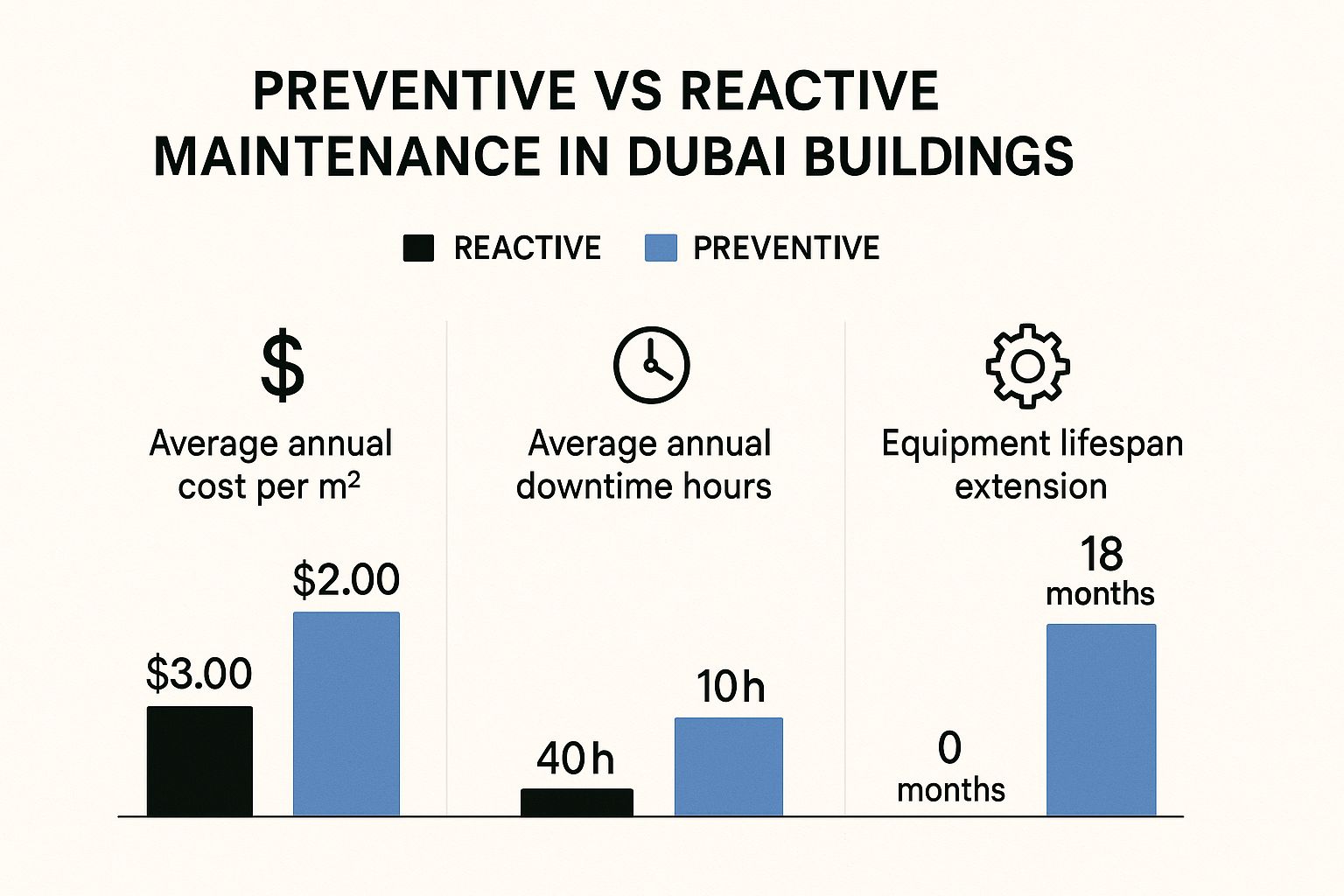
This is what the difference looks like over the long haul:
As you can see, a little foresight with preventive care pays off big time, cutting down operational costs and keeping downtime to a minimum.
The Gold Standard: Annual Maintenance Contracts
For property owners who want total peace of mind, the Annual Maintenance Contract (AMC) is the top-tier choice. An AMC is the most robust form of building maintenance Dubai offers, bundling everything—preventive, corrective, and sometimes even predictive services—into one comprehensive package for a fixed annual fee.
Think of an AMC as an all-inclusive insurance policy for your property. It locks in your budget by covering labor for both routine servicing and emergency call-outs, shielding you from nasty financial surprises all year long.
This model is practically a necessity for large-scale properties like high-rise towers, hotels, and sprawling mixed-use developments. With the UAE's construction sector making up a massive 8.7% of the country's real GDP in 2024, the demand for these sophisticated maintenance solutions is only growing. And as new contractor awards are expected to reach USD 56.9 billion in 2025, the need to properly maintain all these new assets will be enormous. You can find out more about the UAE's building sector trends for 2025 to get the full picture.
To help you decide, here’s a quick breakdown of how these contracts stack up against each other.
Comparison of Maintenance Contract Types
| Contract Type | Best For | Cost Structure | Key Benefit |
|---|---|---|---|
| Corrective | Small residential properties, non-critical assets | Pay-per-service | Lowest upfront commitment |
| Preventive | Most residential & commercial buildings | Scheduled fees | Extends asset life, reduces breakdowns |
| Annual (AMC) | Large-scale, complex properties (towers, hotels) | Fixed annual fee | Complete budget predictability & peace of mind |
Ultimately, the best contract comes down to your property's specific needs, your budget, and how much risk you're comfortable with. By weighing these models carefully, you can secure a service agreement that delivers real value and keeps your building safe, functional, and profitable for years to come.
Of course. Here is the rewritten section, crafted to sound completely human-written and natural, following all your specific instructions.
Navigating Dubai's Maintenance Regulations
Think of Dubai's regulatory landscape as the rulebook for a high-stakes game. For anyone managing a property here, playing by these rules isn’t just good practice—it's absolutely essential for operating legally, safely, and successfully. Trying to handle building maintenance in Dubai without respecting these regulations is like trying to build a skyscraper without a blueprint. It's not a question of if things will go wrong, but when, and how badly.
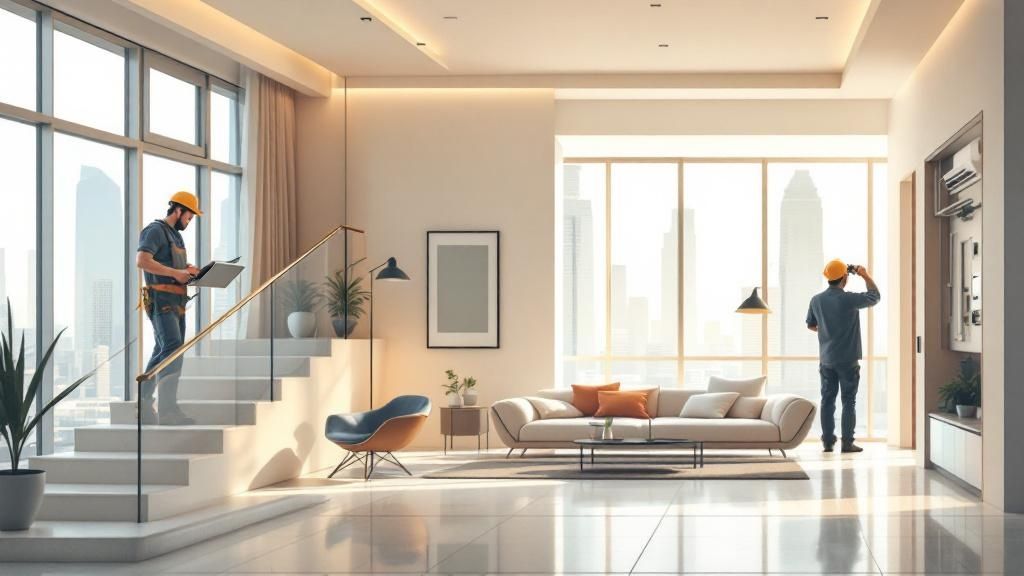
In Dubai, compliance is baked into the very DNA of property management. The government has put a robust framework in place to make sure every single structure, from a quiet villa to the world's tallest towers, hits stringent standards for safety, quality, and sustainability. This isn't just about creating red tape; it's about protecting huge investments and, more importantly, the people who live and work inside these buildings every day.
Key Authorities Shaping the Rules
Before you can follow the rules, you need to know who makes them. Several key government bodies work together, each overseeing a specific slice of the pie when it comes to building integrity. Getting familiar with their roles is the first, most critical step for any property owner.
- Dubai Municipality (DM): This is the big one. The DM sets the foundational building codes and structural safety standards. They're the ones issuing permits and making sure all construction and maintenance work fits into the emirate's grand urban plan.
- Real Estate Regulatory Agency (RERA): RERA is the referee between owners, tenants, and management companies. It establishes the rules for service charges, manages owner associations, and ensures maintenance duties are crystal clear and actually followed.
- Dubai Electricity and Water Authority (DEWA): As the city's sole utility provider, DEWA has strict rules for everything related to electrical and water systems. Their regulations cover installation, operation, and maintenance to guarantee safety and encourage conservation.
- Dubai Civil Defence (DCD): These are the experts in fire and life safety. The DCD has non-negotiable standards for the inspection, testing, and upkeep of all fire alarms, sprinkler systems, and emergency exits. Their word is final.
Together, these organizations form a protective shield, making sure standards for building maintenance in Dubai are some of the highest on the planet. Their jurisdictions often overlap, which means a comprehensive, all-in approach to compliance is the only way to go.
Mandatory Requirements You Cannot Ignore
Beyond the general oversight of these authorities, there are specific, non-negotiable mandates that every building must follow. These aren't suggestions—they're legal obligations, and ignoring them comes with serious heat. A solid understanding of the official Dubai building codes is your best tool for navigating these waters.
Here are some of the most critical areas:
- Fire and Life Safety: The DCD insists on an annual certification for all fire safety systems. This means regular, documented testing of smoke detectors, fire pumps, and emergency lighting by an approved contractor. No exceptions.
- Green Building Regulations (Al Sa'fat): Dubai Municipality's Al Sa'fat system isn't just for new builds. It mandates specific sustainability practices for existing buildings, too, covering energy efficiency, water conservation, and the use of eco-friendly materials in renovations.
- Waste Management Protocols: Proper waste segregation and disposal are strictly enforced. Properties have to stick to designated recycling programs and waste management plans or face penalties.
The true cost of non-compliance isn't just the fine you get slapped with. It's the risk of operational shutdowns, voided insurance policies, and a trashed reputation that can take years to rebuild. Being proactive about compliance is always the cheaper path in the long run.
The High Cost of Cutting Corners
Let's walk through a real-world scenario. A commercial building manager decides to pinch a few pennies by skipping the required third-party inspection of their fire alarm system. They figure a quick in-house check will do. Bad move. A Dubai Civil Defence inspector drops by for a routine spot-check and discovers several faulty smoke detectors and an expired certification.
The fallout is immediate and painful. The building gets hit with a hefty fine, but that's just the start. The DCD issues a violation notice that could get the building's operating permit suspended until the system is fully certified by an approved agency. This could mean forcing tenants to leave, leading to a massive loss of revenue and potential lawsuits from the businesses you've displaced. The bill for emergency repairs and proper recertification will dwarf what was "saved" initially. It's a perfect example of why cutting corners on regulations is a high-risk gamble that never, ever pays off.
Critical Maintenance Areas for Your Property
When you look at a building in Dubai, you're seeing far more than just glass and steel. You’re looking at a complex web of sophisticated systems, all working together to deliver comfort, safety, and function. This is why professional building maintenance in Dubai isn't just about sweeping floors; it's about the expert oversight of these critical systems.
A great way to think about it is to see your property as a human body. It has a respiratory system (the HVAC), a circulatory system (the plumbing), a nervous system (the electrical wiring), and a skeleton (the structure itself). Each one needs its own specialized, regular care to keep the whole body healthy. Let one system fail, and the entire operation can be thrown into chaos.
Let’s break down the core maintenance areas that keep a Dubai property in prime condition. Nailing these specifics is the bedrock of any successful maintenance plan.
HVAC Systems: The Heart of Comfort
In a place like Dubai, the Heating, Ventilation, and Air Conditioning (HVAC) system isn't a perk—it's the building's absolute life-support. It battles the extreme climate day in and day out, which puts its maintenance at the very top of the priority list. A breakdown isn't just an inconvenience; it can create serious health risks from poor air quality and even force tenants to find somewhere else to live.
Keeping an HVAC system in top form involves several key steps:
- Filter Cleaning and Replacement: Clogged filters are the number one killer of HVAC efficiency. They choke the airflow, making the system work overtime while pumping dust and allergens into the air. Filters need a monthly clean and a full replacement every 1-3 months.
- Duct Inspection and Cleaning: You’d be shocked at what can build up in air ducts over time—dust, debris, and even mould. This poisons the air you breathe and can pose a fire risk. A professional duct cleaning every 2-3 years is non-negotiable for health and safety.
- Coil and Condenser Cleaning: The outdoor unit is constantly battered by sand and dust. When coils and condensers get dirty, they can’t release heat properly, which sends your energy bills soaring and leads to burnout.
A well-cared-for HVAC system uses dramatically less energy, which saves you a significant amount of money and keeps your occupants cool and comfortable. It's a true win-win.
Electrical Systems: Powering Your Property Safely
A building’s electrical system is its central nervous system. It powers everything, from the lights and elevators to the most critical safety gear. With stakes this high, there's absolutely no room for error. Since faulty wiring is a primary cause of property fires, sharp electrical maintenance is a cornerstone of your safety protocol.
For anyone managing building maintenance in Dubai, electrical safety has to be a top concern. The real goal is to get ahead of problems with a proactive inspection schedule that spots hazards long before they have a chance to turn into disasters.
Any solid electrical maintenance plan must include:
- Circuit Breaker Testing: Regular checks make sure that breakers will actually trip when they're supposed to during an overload, which is your first line of defense against electrical fires.
- Wiring Inspections: You need a professional eye to hunt for frayed wires, loose connections, or old components that are just accidents waiting to happen.
- Load Balancing: Making sure electrical loads are spread out evenly across circuits stops any single part of the system from being overworked and stressed.
Plumbing Systems: The Unseen Essential
From delivering clean water to flushing away waste, the plumbing network is one of those vital systems that you only notice when something goes wrong. A tiny, hidden leak can quickly spiral into catastrophic water damage, triggering mould growth and leaving you with a massive repair bill. In Dubai, water tank hygiene is also a huge public health issue.
Key plumbing tasks you can't afford to skip:
- Leak Detection: Consistent checks of pipes, fittings, and fixtures to catch small drips before they turn into major floods.
- Water Tank Cleaning: Dubai Municipality rules mandate the regular cleaning and disinfection of water tanks. This isn't just about compliance; it's about preventing waterborne illness and ensuring the water is safe to drink.
- Drain Cleaning: Being proactive with cleaning drains and sewer lines is the best way to prevent nasty blockages and foul-smelling backups.
This ongoing boom in new construction puts even more pressure on maintaining both new and old properties to the highest possible standards. With the UAE construction market projected to grow at an annual rate of 6.2% to reach AED 189.59 billion by 2025, the need for top-tier maintenance professionals is only going to grow. Discover more about the UAE's construction industry growth and what it means for the maintenance world.
Fire and Life Safety Systems: The Ultimate Priority
No area of building maintenance is more critical than fire and life safety. Full compliance with Dubai Civil Defence (DCD) regulations isn't optional, it's mandatory, and the consequences for cutting corners are severe. These systems must work perfectly, every single time.
Essential checks always include:
- Alarm and Detector Testing: Regular functional tests of every smoke detector, heat detector, and fire alarm panel in the building.
- Sprinkler System Inspection: Checking water pressure, looking for any signs of corrosion, and making sure sprinkler heads are clear and unobstructed.
- Emergency Lighting and Exit Signs: Making certain that all emergency lights and signs work, so they can guide people to safety if the power goes out.
Structural and Façade Maintenance
Finally, we have the building’s exterior—its "skin." This is its primary shield against Dubai's relentless sun, humidity, and sand. Façade maintenance is about more than just looks; it's about preserving the building's core integrity. This involves routine cleaning to wash away corrosive salt and sand, inspecting for any cracks or damage, and resealing joints to keep water out. To get your property fully prepared, take a look at our guide on seasonal building maintenance for Dubai's weather.
How to Choose the Right Maintenance Company
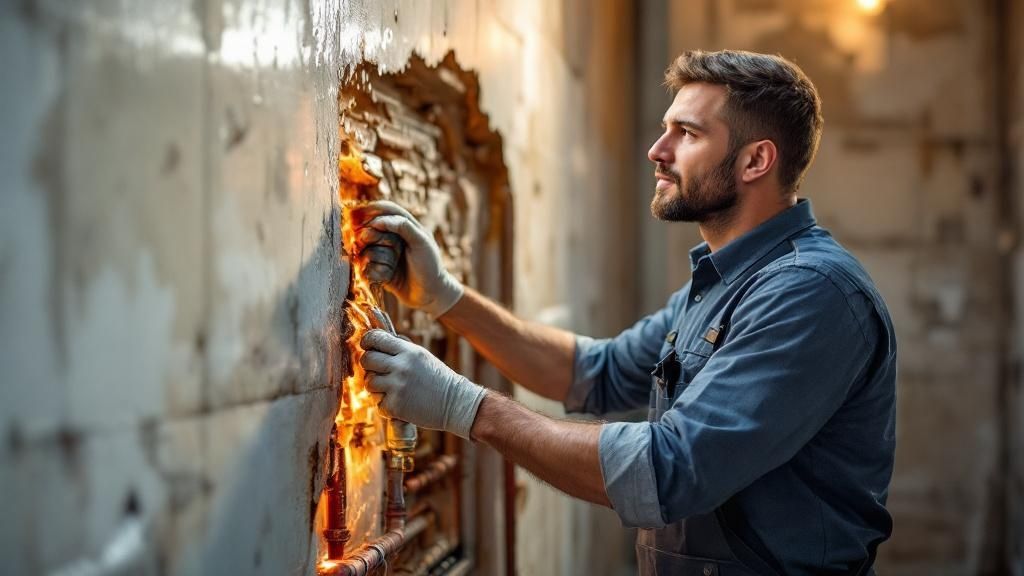
Picking a maintenance partner for your Dubai property is easily one of the most critical decisions you'll make as an owner. This isn't just about hiring a crew to fix a leaky faucet. You're entrusting a significant asset to a team that will either protect its value or let it crumble.
Get it right, and your life gets easier while your investment grows. Get it wrong, and you're in for a world of constant headaches and surprise expenses.
Think of it like choosing a wealth manager. You wouldn't just hand your life savings to the first person with a business card. You'd want to see their credentials, check their track record, and demand total transparency. Your approach to building maintenance in Dubai should be just as rigorous.
Essential Vetting Criteria
Before you even glance at a price quote, there are a few non-negotiables you need to check off. Think of this as your first line of defense, separating the genuine professionals from the risky operators.
Proper Licensing and Registration: First thing's first—is the company legally allowed to operate? Verify they have all the necessary licenses from Dubai's economic and municipal authorities. This is the absolute bare minimum proof of legitimacy.
Comprehensive Insurance Coverage: Accidents happen. Make sure any company you consider has full liability insurance and workmen’s compensation. This is what protects you from being on the hook financially for any on-site injuries or damage their team might cause.
A Verifiable Track Record: You're looking for a company with proven experience, especially with buildings like yours. Ask for their portfolio, but more importantly, ask for client references you can actually call. Nothing beats hearing directly from someone who has been in your shoes.
Critical Questions to Ask Potential Vendors
Once you have a shortlist of licensed and insured companies, it's time to dig in with some pointed questions. Their answers (or lack thereof) will tell you everything you need to know about their operations and how they treat their clients.
A truly professional maintenance company will welcome your questions. If they're open and direct about their process, it’s a great sign they're confident in the service they provide.
Here’s a checklist of questions you should have ready for every potential partner:
What is your emergency response time? When a pipe bursts or the power goes out, you need to know exactly how fast they can get someone to your property. Ask for their guaranteed response times for different emergency levels.
What is the expertise of your technical staff? Are the technicians certified? Do they get regular training on new systems and techniques? The quality of building maintenance in Dubai is a direct reflection of the skill of the people doing the work.
How do you handle communication and reporting? Will you get a dedicated contact person? How often will you get reports, and what will they cover? A smooth partnership is built on clear, consistent communication.
Red Flags to Watch For
Knowing what to look for is only half the battle; you also need to know what to run from. These warning signs should have you heading for the exit, no matter how tempting the price tag.
Suspiciously Low Prices: If a quote seems too good to be true, it is. Rock-bottom prices are a sure sign that corners are being cut, whether it's on staff qualifications, proper insurance, or the quality of materials.
Lack of a Physical Office: A legitimate, established business will have a physical address. No real office can be a sign of a fly-by-night operation that might just vanish when a serious problem arises.
Vague or Unclear Contract Terms: The contract should spell everything out: scope of services, all costs, what's not included, and how you can terminate the agreement. Any fuzziness or refusal to put promises in writing is a massive red flag.
Making an informed choice about your maintenance provider is just as crucial as choosing the right materials for the building itself. You wouldn't skimp on quality fixtures and fittings, and your maintenance partner deserves that same level of careful consideration. For more on that, see our guide on how to choose the right building hardware for your Dubai projects.
Taking the time to vet and hire a competent, reliable team is an investment that will pay for itself many times over.
Frequently Asked Questions
When it comes to property upkeep, especially in a place as fast-paced as Dubai, it’s natural to have a few questions. We get them all the time. Here are some of the most common queries from property owners and tenants, with straightforward answers to help you stay on top of your building maintenance.
What Is the Average Cost of an AMC in Dubai?
That’s the million-dirham question, isn’t it? The truth is, the cost of an Annual Maintenance Contract (AMC) for building maintenance in Dubai varies quite a bit. It’s a lot like buying a car—the final price tag really depends on what you need.
A few key things will move the needle on cost:
- Property Size: A sprawling villa will naturally cost more to look after than a studio apartment.
- Scope of Services: Are you looking for a basic plan covering just plumbing and electrical? Or do you need an all-in package that includes HVAC, fire safety, and even facade cleaning? The more comprehensive, the higher the price.
- Property Age and Condition: An older building with systems that have seen better days will likely demand more attention and, therefore, a higher AMC fee.
As a ballpark figure, a standard one-bedroom apartment’s AMC might fall between AED 1,500 and AED 3,000 per year. For larger villas, you could be looking at AED 5,000 or more, especially for premium service levels. The best advice? Get detailed quotes that spell out exactly what’s included so you can compare apples to apples.
Who Is Responsible for Maintenance: Landlord or Tenant?
This is a classic point of confusion, but thankfully, Dubai law is pretty clear on how responsibility is divided. It really boils down to the scale of the problem.
Landlord's Responsibility: The big-ticket items fall on the landlord. We're talking about major maintenance and structural repairs—things affecting the core MEP (Mechanical, Electrical, Plumbing) systems or anything that makes the property unsafe.
Tenant's Responsibility: On the other hand, the tenant handles the day-to-day upkeep. This means minor maintenance like changing lightbulbs, cleaning AC filters, and fixing small issues that come from normal wear and tear. Most tenancy contracts specify that tenants cover repairs under a certain threshold, which is often around AED 500.
When in doubt, always check your tenancy agreement. That’s the legally binding document that outlines everyone’s duties.
What Should I Do in a Maintenance Emergency?
A burst pipe, a total power loss, or a dead AC in the middle of summer—these are true emergencies. The first thing you absolutely must do is ensure everyone is safe. If there's any risk of fire or shock, get out of the area immediately.
Once safety is secured, you need to act fast to control the damage.
- Contact Your Maintenance Provider: If you have an AMC, their emergency number should be your first call. They're paid to respond quickly.
- Inform Your Landlord or Building Management: Keep them in the loop. They need to know about any serious issues with their property.
- Mitigate Damage (If Safe): You can often take small steps to prevent things from getting worse while you wait for help. For a major leak, for instance, shutting off the main water valve can stop a flood in its tracks.
Every tenant and owner should have the emergency number for a reliable building maintenance Dubai company saved in their phone. You’ll be glad you did when you need it.
For any project, big or small, having access to high-quality materials and tools is the foundation of excellent maintenance. Yasu Trading Co. LLC provides a complete range of certified building hardware, safety equipment, and MEP components to keep your property in top condition. Explore our catalog and request a quote today to ensure your maintenance is built to last.