PPR Pipes UAE: Your Complete Guide to Quality Plumbing
Understanding PPR Pipes: What Makes Them Perfect For the UAE
Imagine choosing between a modern smartphone and an old flip phone to navigate Dubai. That’s the difference between PPR pipes and traditional plumbing in the UAE. These aren’t just pipes; they're engineered for environments where failure isn’t an option. Let's explore why PPR is the go-to choice for everything from Jumeirah villas to Downtown Dubai skyscrapers.
Why PPR Pipes Thrive in the UAE
PPR, which stands for polypropylene random copolymer, handles the UAE's unique challenges with ease. Think of the scorching summer sun beating down on exposed pipes. Traditional metal pipes can corrode, and some plastics become brittle and crack. PPR, however, stands strong.
Another challenge? Fluctuating water pressure. PPR pipes are both flexible and strong, minimizing the risk of leaks and bursts. This durability translates into long-term cost savings because you won't need constant repairs or replacements. It’s a perfect match for the UAE’s high construction standards.
This image shows polypropylene’s molecular structure, the base material of PPR pipes. This complex arrangement contributes to the material's impressive strength and durability, making it perfect for the UAE's demanding plumbing needs. It's this robust structure that helps PPR resist high temperatures and pressure changes.
The Science Behind the Strength
Let's break down why PPR pipes are so resilient, without getting too technical. Picture polypropylene’s molecular structure as a tightly woven net. This gives it strength and flexibility, like a strong, pliable fabric.
This is why PPR pipes can handle the stresses of the UAE environment so well. They flex under pressure, they don't fracture. This is crucial in a region with significant temperature swings, causing expansion and contraction in plumbing systems.
Consider a high-rise in Dubai. Water temperature varies dramatically from cool, air-conditioned interiors to the scorching rooftop. PPR pipes maintain their integrity across these extremes, ensuring consistent performance and minimal risk of leaks. This adaptability makes PPR a reliable, long-lasting plumbing solution in the UAE. It's not just that it works, it's why it works. This resilience means lower maintenance costs and fewer disruptions. For long-term building health and value, PPR is a smart choice.
The UAE PPR Market: Riding The Construction Wave
The UAE’s construction boom isn't just about skyscrapers; it's also about what's happening underground. Just like a city's veins and arteries, the plumbing infrastructure is crucial, and PPR pipes are becoming the material of choice. This isn't a fad, it's a fundamental shift in how water moves through buildings across the Emirates.
Drivers of PPR Pipe Demand
So, what's driving this surge in PPR pipe popularity? Think of it like this: every new building, whether it's a towering office complex or a family villa, needs a reliable plumbing system.
The UAE's ambitious, large-scale government projects are a major factor. These projects create massive demand for materials, and PPR pipes are at the top of the list. Alongside this, the constant development of residential properties, from single homes to large apartment buildings, adds to the growing need for these pipes.
This demand isn't unique to the UAE. It's part of a larger trend across the GCC region, where construction is booming. The UAE plays a significant role in this wider market, contributing to its overall growth.
Let's talk numbers. In 2024, the GCC PPR pipes market reached 49,124.38 metric tons. Projections show a steady growth rate of 2.00% per year until 2034, reaching a projected 59,882.35 metric tons. To dive deeper into these figures, you can check out this report: Learn more about the GCC PPR market growth here.
To better understand the market's growth trajectory, let's look at some projected figures. The table below presents the market volume and growth projections for PPR pipes in the GCC region, including the UAE.
GCC PPR Pipes Market Growth Projections
| Year | Market Volume (Metric Tons) | Growth Rate (%) | Key Drivers |
|---|---|---|---|
| 2024 | 49,124.38 | - | Baseline Year, Construction Boom |
| 2025 | 50,107.91 | 2.00 | Ongoing Projects, Infrastructure Development |
| 2026 | 51,106.52 | 2.00 | Urbanization, Housing Demand |
| 2027 | 52,120.37 | 2.00 | Government Investments, Tourism Growth |
| ... | ... | ... | ... |
| 2034 | 59,882.35 | 2.00 | Sustainable Building Practices, Renovation Projects |
As you can see, the GCC PPR pipe market, including the UAE, is expected to experience consistent growth over the next decade, driven by various factors related to construction and infrastructure development.
International Players and Local Adaptation
Global manufacturers are paying attention to the UAE's increasing demand for PPR pipes. They're not just shipping pipes over; they're adapting their products to meet the specific requirements of the region. Think about the UAE climate – it’s hot and demanding. These manufacturers are tailoring their pipe specifications to withstand these conditions and comply with local building codes. This shows a commitment to building lasting relationships with UAE contractors.
The Ripple Effect on Pricing and Innovation
This influx of international manufacturers creates healthy competition. For contractors, this means more options, better prices, and access to the latest advancements in PPR technology. Suppliers are constantly innovating, making pipes more durable and developing more efficient installation methods.
This benefits everyone, from large construction companies to homeowners. The increased use of PPR pipes is creating opportunities across the entire construction industry in the UAE. It's a dynamic market that positions the UAE as a leader in the global PPR landscape, driving both growth and innovation. It's a story of constant improvement, driven by the need for dependable, high-performing plumbing solutions in a challenging environment.
Why PPR Pipes Win In UAE's Harsh Environment
Imagine leaving different types of pipes out in the UAE sun for a decade. Metal pipes would likely rust, and some plastics might become brittle and crack. But PPR pipes? They’d probably still be going strong. They’re kind of like the camels of the plumbing world – built to withstand tough conditions.
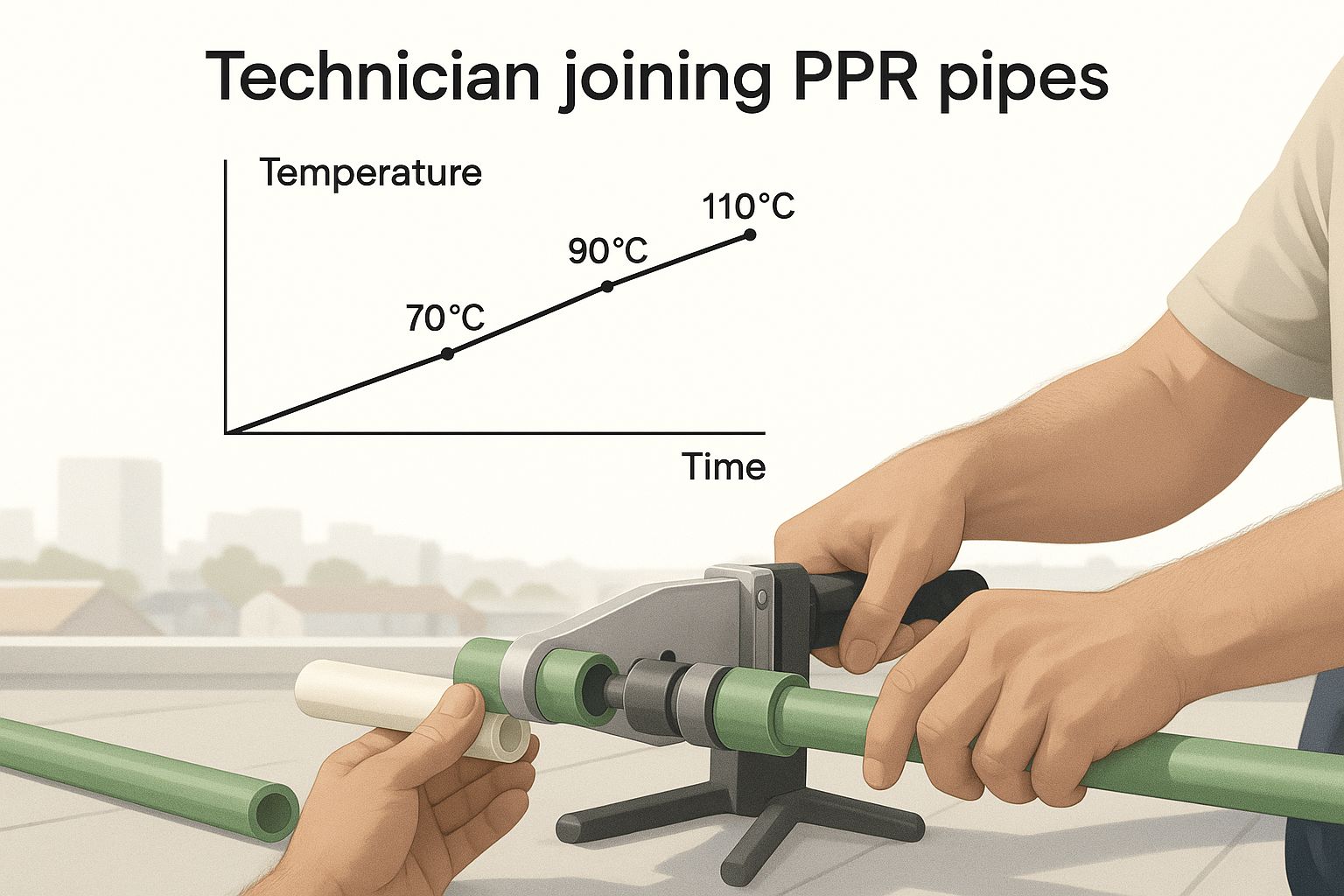
This infographic shows a technician carefully joining two PPR pipes using a technique called fusion welding. It’s like melting the ends of the pipes together to create a super strong, leak-proof seal. This precise method is essential for making sure PPR piping systems can handle the UAE’s heat and other environmental challenges.
Temperature Tolerance: From Cool Interiors to Scorching Rooftops
PPR pipes handle extreme temperatures remarkably well. Think about the difference between the inside of an air-conditioned Dubai office and a scorching hot rooftop. PPR pipes can handle that swing in temperature without breaking down. This helps prevent leaks and ensures consistent performance. Facility managers here in Abu Dhabi often mention fewer problems with PPR compared to metal pipes, especially in those exposed, sun-baked areas.
Chemical Resistance: Handling UAE Water Treatments
Water in the UAE often undergoes treatment with various chemicals. These chemicals can corrode some piping materials, but PPR is resistant to them. This resistance is a double win: it protects the pipes themselves, extending their lifespan, and ensures your water quality stays top-notch. It also minimizes the risk of those disruptive and costly leaks or bursts.
Longevity: A Long-Term Investment
One of the biggest advantages of PPR pipes is their longevity. Unlike metal pipes that can rust and corrode over time, PPR pipes maintain their strength for decades. This makes them a cost-effective choice in the long run, as you won't need to replace them frequently.
For example, one hotel in Sharjah switched to PPR pipes ten years ago and hasn't needed to replace any major sections of their plumbing system. That’s a testament to the durability of PPR and a nice bonus for their budget. For more tips on choosing durable building materials, check out this helpful guide: Check out our guide on choosing reliable materials for the UAE climate.
Addressing the Limitations of PPR Pipes
While PPR pipes are great for many applications, they aren't a one-size-fits-all solution. They might not be the best choice for very high-pressure industrial settings or certain specific chemical applications. It's essential to understand these limitations to make the right choice for your project. Making an informed decision will ensure your piping system meets your specific requirements and performs reliably for years to come.
Let's look at how PPR pipes stack up against other common piping materials:
PPR vs Traditional Pipes Performance Comparison
| Property | PPR Pipes | Copper Pipes | PVC Pipes | Steel Pipes |
|---|---|---|---|---|
| Temperature Resistance | Excellent, handles both hot and cold water | Good, but susceptible to extreme heat | Moderate, can become brittle in cold | Good, but can warp under high heat |
| Chemical Resistance | High resistance to most water treatment chemicals | Moderate, can corrode with certain chemicals | Low, susceptible to chemical degradation | Moderate, can rust and corrode |
| Durability | Very high, long lifespan | High, but susceptible to corrosion | Moderate, can crack under pressure | High, but prone to rust and corrosion |
| Installation | Relatively easy with fusion welding | Requires specialized soldering | Relatively easy with adhesives | Requires welding and threading |
| Cost | Moderate | High | Low | Moderate |
This table highlights key performance differences between PPR and other pipe materials commonly used in the UAE. While PPR excels in chemical resistance, durability, and temperature tolerance, other factors like installation complexity and cost should be considered when choosing the right pipe for a specific application. Understanding these trade-offs will help you make the most informed decision for your project.
Getting PPR Installation Right: Lessons From The Field
Installing PPR pipes correctly isn't simply about following the instructions; it's about understanding the specific challenges posed by the UAE's construction environment. Think of it like building a sandcastle on a windy beach – a generic approach won't work. You need to account for the wind, the type of sand, and the tide. Similarly, factors like the UAE's intense heat, sandstorms, and often tight project deadlines demand specific installation techniques.
Site Preparation: Building a Solid Foundation in Sandy Conditions
Before even considering the pipes, proper site preparation is essential. In the UAE, this often means dealing with sandy conditions. Imagine trying to build a house on shifting sand – you need a solid foundation. Experienced installers understand that proper compaction and a stable base are crucial to prevent future issues, ensuring the pipes won't shift or settle unevenly after installation.
Fusion Welding: Creating Leak-Proof Connections
At the heart of PPR installation is fusion welding. This technique melts the ends of the pipes and fittings together, creating a seamless, permanent bond. Imagine it like melting two pieces of chocolate together to form a single piece. This process requires specialized equipment and trained technicians to guarantee a leak-proof joint. A poorly executed weld can lead to leaks and costly repairs later on.
Incidentally, the thriving PPR pipe market in the UAE is part of a larger growth story in the Middle East. The Middle East PPR and HDPE pipe market is experiencing significant expansion. Currently, the Middle East PPR pipes and fittings market is valued around USD 0.18 billion and is projected to grow at a 3.2% CAGR until 2031. Discover more insights on the Middle East PPR market here.
Managing Thermal Expansion: Accounting for Temperature Fluctuations
The UAE's temperature swings are dramatic, and PPR pipes, like any material, expand and contract with these changes. Picture a metal railway track expanding on a hot day – it needs room to grow. Similarly, experienced installers account for this expansion in their designs, using expansion loops and proper supports to prevent stress on the pipes and avoid warping, cracking, and potential leaks.
Support Systems: Keeping Pipes Secure and Stable
Proper support is vital for the long-term performance of PPR pipes. Think of it like scaffolding supporting a building during construction – it needs to be strong and reliable. PPR pipes need adequate support to prevent sagging and maintain alignment, especially over long distances. This prevents stress on the joints and keeps the system intact.
Testing and Quality Control: Ensuring Long-Term Performance
After installation, thorough testing is crucial. Consider it a final inspection before handing over the keys to a new home. Pressure testing identifies leaks and verifies that the system can handle the expected water pressure. This process catches any weaknesses before they become major issues, providing peace of mind and guaranteeing reliable performance for years. In the UAE, where water is a valuable resource, leak-free systems are not just preferable; they're essential. Choosing quality PPR pipes and ensuring proper installation is an investment that pays off over time, both financially and environmentally. A dependable plumbing system enhances a building's overall sustainability and efficiency, minimizing water waste and reducing the need for constant repairs. This responsible approach reflects the UAE's dedication to sustainable development and resource conservation.
Navigating UAE Standards: Your Compliance Roadmap
Think of UAE plumbing regulations as the roadmap for your project. Ignoring the signs will lead to costly detours and revisions, but following them ensures a smooth journey to a successful completion. While these regulations might seem intricate at first glance, understanding them is what separates successful projects from problematic ones in the UAE. This section breaks down the key standards and certifications relevant to your PPR pipe projects, from ESMA requirements to the specific rules set by Dubai Municipality, Abu Dhabi City Municipality, and other emirates.
ESMA: The Foundation of UAE Product Quality
The Emirates Authority for Standardization and Metrology (ESMA) sets the foundation for product quality and safety across the UAE. For PPR pipes, ESMA certification isn't optional – it's essential. This certification guarantees the pipes meet specific requirements for their material makeup, dimensions, and how they perform under pressure. Think of ESMA as the quality control checkpoint, ensuring that all PPR pipes used in UAE projects meet the minimum acceptable standards.
This screenshot shows the ESMA homepage, the main authority for standardization in the UAE. Their regulations impact everything from material specifications to testing procedures, ensuring that PPR pipes used in construction meet important quality benchmarks. This oversight is vital for maintaining consistent product standards across all the Emirates.
Municipal Regulations: Navigating Local Requirements
Beyond the baseline set by ESMA, each emirate has its own specific set of regulations. Dubai Municipality, for example, might have extra requirements for PPR pipe installations in skyscrapers, while Abu Dhabi City Municipality could have different guidelines for plumbing in villas. Understanding these local nuances is key for getting your project approved without a hitch. Experienced contractors often develop close working relationships with local authorities to ensure compliance right from the project’s start. For a deeper dive into building codes in Dubai, check out our dedicated guide: Learn more in our article about Dubai Building Codes.
Real-World Impact of Compliance
The impact of compliance reaches every stage, from the initial material purchase to the final approvals. Imagine sourcing PPR pipes without the proper certifications. This can easily lead to project delays, costly rework, and significant fines. On the other hand, using certified materials and following approved installation procedures makes inspections smoother and ensures your project progresses on schedule and within budget.
Future-Proofing Your PPR Pipe Projects
UAE regulations are constantly being updated to reflect industry best practices and address new challenges. Keeping up with these changes, such as new efficiency standards or requirements for sustainable materials, allows you to "future-proof" your projects. This proactive approach ensures your PPR pipe installations not only meet today's regulations but are also prepared for future requirements. Choosing compliant PPR pipes and sticking to the regulations isn't just about avoiding penalties. It's about building trust, ensuring safety, and contributing to the long-term success of the UAE's construction industry. By understanding and navigating these standards, you're investing in the durability and reliability of your projects, protecting both your reputation and your bottom line.
Smart PPR Investment: Understanding True Value
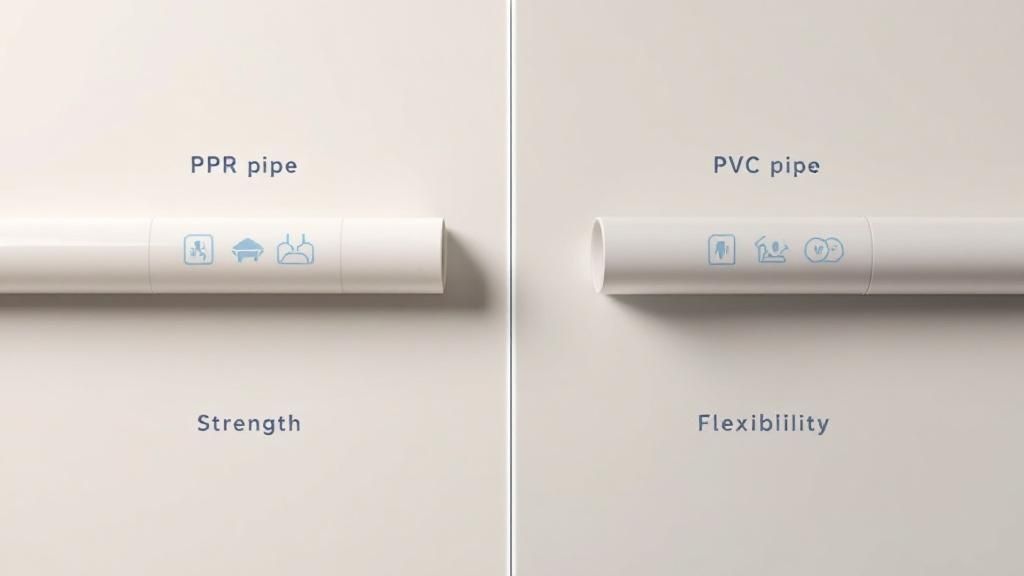
Imagine buying a car based solely on the down payment – ignoring fuel efficiency, maintenance, and resale value. Choosing PPR pipes based only on the initial price is similar. You're missing the bigger financial picture. In the UAE, where durability and low maintenance are essential, understanding the true cost of PPR pipes is vital.
Initial Investment vs. Long-Term Savings
Think of PPR pipes as a long-term investment. The initial cost might seem higher than alternatives, but the savings accumulate over time. Fewer repairs, less downtime, and a longer lifespan translate to significantly lower maintenance costs. You might find this interesting: essential building materials for construction projects in Dubai.
Also, consider the reduced risk of water damage from leaks. In the UAE's dry climate, water damage can be extremely costly to repair. PPR pipes offer peace of mind and substantial long-run savings.
Factors Influencing PPR Pipe Pricing in the UAE
Several factors impact PPR pipe prices in the UAE: import costs, supplier relationships, and project size. Larger projects often benefit from bulk discounts.
However, even for smaller projects, the long-term savings of PPR often outweigh the initial expense due to their durability and low maintenance needs. On a related note, PVC pipe usage is also on the rise. The UAE PVC pipes market, currently valued at USD 280.0 million, is projected to reach USD 384.0 million by 2033, with a 3.6% CAGR. Discover more insights on the UAE PVC pipe market.
Demonstrating ROI: Making the Case for PPR Pipes
Showing clients the long-term financial benefits of PPR pipes can be key to securing a project. A clear ROI calculation demonstrates the value beyond the sticker price.
This involves considering reduced maintenance, minimized downtime from repairs, and the extended lifespan compared to other options. Using case studies from actual UAE projects can strengthen your argument.
Energy Efficiency and PPR Pipes
Beyond direct maintenance, PPR pipes contribute to energy efficiency. Their smooth inner surface reduces friction, making water flow more easily and lowering pumping costs.
This is especially beneficial in large buildings or high-rise structures. In the UAE, where cooling costs are significant, this added energy efficiency leads to considerable savings, bolstering the overall value of PPR pipes.
Choosing the Right Supplier: A Key Factor in Value
Selecting a reliable PPR pipe supplier is crucial for maximizing your investment. A good supplier provides not just quality products but also technical support and dependable logistics, impacting project timelines and efficiency.
They also ensure materials comply with UAE standards, preventing costly rework due to regulatory issues. A responsive supplier who quickly addresses material needs minimizes delays and contributes to overall cost savings. This partnership approach to supplier relationships is key to getting the true value from your PPR pipe investment, going beyond simply buying materials.
Choosing Your PPR Supplier: Building The Right Partnership
Picking the right PPR pipe supplier isn't simply about ticking a box on your materials list; it's about forging a vital partnership that can significantly impact your project's success. In the UAE's bustling construction scene, where time truly is money and quality is non-negotiable, your supplier becomes a key strategic ally. This section explores the qualities that separate the best PPR pipe suppliers in the UAE from the rest, focusing on support, expertise, and dependable service.
Beyond the Transaction: The Value of a True Partner
A truly reliable PPR pipe supplier in the UAE offers more than just pipes. They provide invaluable technical support, guiding you to choose the perfect PPR pipes for your specific project, navigating the sometimes complex UAE standards. Imagine having a readily available expert who understands local regulations and can offer advice based on best practices. This support is like having a seasoned guide, helping you avoid costly missteps and keeping your project on schedule.
Inventory management is another critical area where a top-tier supplier excels. They understand the unique rhythms of the UAE construction industry and maintain ample stock to prevent project-stalling delays. Think of it like a well-stocked pantry: you avoid those frustrating last-minute grocery runs. Similarly, a supplier with robust inventory management keeps your project flowing smoothly.
This screenshot from a US government trade guide highlights the importance of the UAE's construction and engineering sector. It underscores the dynamic growth and emphasis on infrastructure development, emphasizing the crucial role reliable suppliers play in supporting this continued expansion.
Asking the Right Questions: Due Diligence for Supplier Selection
Selecting the right PPR pipe supplier requires asking the right questions. What’s their track record in the UAE? Do they offer training programs for installers? How do they handle warranty claims? These inquiries reveal a supplier’s dedication to quality and commitment to customer satisfaction. It's like interviewing a potential employee: you want to understand their experience, skills, and how they'll contribute to your team.
Red Flags and Warning Signs: Identifying Potential Issues
Just as crucial as knowing what to look for in a good supplier is recognizing potential warning signs. Unclear pricing, inconsistent communication, or a lack of local presence can all indicate potential problems down the line. These red flags should trigger further investigation. Much like a doctor uses symptoms to diagnose a problem, you need to evaluate a supplier's reliability before committing to a partnership. This proactive approach can prevent future issues and protect your project.
Local Presence and Supply Chain Reliability: Navigating the UAE Market
A solid local presence is essential for PPR pipe suppliers in the UAE. It ensures prompt deliveries, responsive customer service, and a deep understanding of local rules and regulations. A supplier with a well-established UAE network can effectively navigate the complexities of the local market.
Adding Value: Technical Expertise and Project Support
The best PPR pipes UAE suppliers go above and beyond simply fulfilling orders. They provide valuable technical advice, helping you optimize your plumbing designs and ensure efficient installations. Some even offer training programs for installers, boosting the quality of workmanship and minimizing the risk of costly errors. This proactive approach adds significant value and contributes to the overall success of your project. It’s like having an experienced coach guiding your team towards victory.
For all your PPR pipe requirements in the UAE, consider Yasu Trading Co. LLC. They offer a wide range of high-quality PPR pipes and fittings, combined with expert technical support and dependable service.