Sanitary Ware Dubai: Your Complete Guide to Smart Buying
Understanding Dubai's Sanitary Ware Market Landscape
Think of Dubai's commercial environment as a place where modern, high-end showrooms and long-standing trade networks operate side-by-side. This mix is what defines the market for sanitary ware in Dubai. It's a space where global brands meet local distributors who have a deep-rooted understanding of the region's needs. Sourcing bathroom fixtures here involves more than just picking an item from a catalog; it requires navigating a lively ecosystem shaped by international supply chains, local building codes, and specific cultural preferences.
Key Drivers Shaping the Market
The market's constant motion is fueled by Dubai's relentless cycle of construction and renovation. The UAE is experiencing a significant rise in demand for sanitary ware, driven by both the retrofitting of older buildings and the construction of new public and commercial facilities. With a strong government focus on public health and hygiene, the need for quality fixtures has never been greater. For example, market analysis suggests that basins will be a leading product category in the near future, thanks to their widespread use in new residential towers and commercial spaces alike. You can find more details in this market report.
This chart from market researchers breaks down the key segments pushing growth across the UAE.
The data highlights how both residential and commercial projects are major contributors to demand, creating a stable and varied marketplace for both suppliers and buyers.
Unique Local Considerations
Beyond the numbers, a couple of distinctly local factors have a major impact on your choices. First is the climate. The persistent heat and high humidity do more than just make things uncomfortable; they put building materials to the test. Poor-quality metal finishes can corrode surprisingly fast, and lower-grade ceramics might show wear much sooner than expected. Choosing durable, climate-ready materials is a practical must-have, not just a preference.
Second are the cultural and lifestyle needs. Fixtures like bidet toilets or handheld shattafs (bidet sprayers) are standard expectations in most bathrooms across the UAE. A supplier who understands this will always have these items available, while one who doesn't could cause serious delays for your project. Paying attention to these details—from material durability to cultural norms—is key to making smart buying decisions and ensuring your project meets local standards.
Essential Sanitary Ware Types For Dubai Properties
Choosing the right fixtures is about more than just looks; it's about defining how your bathroom works and feels every day. The selection of sanitary ware in Dubai is vast, covering everything from time-tested classics to the advanced smart toilets found in the city's newest luxury developments. A smart choice means finding a fixture that fits your space, your needs, and Dubai's unique climate.
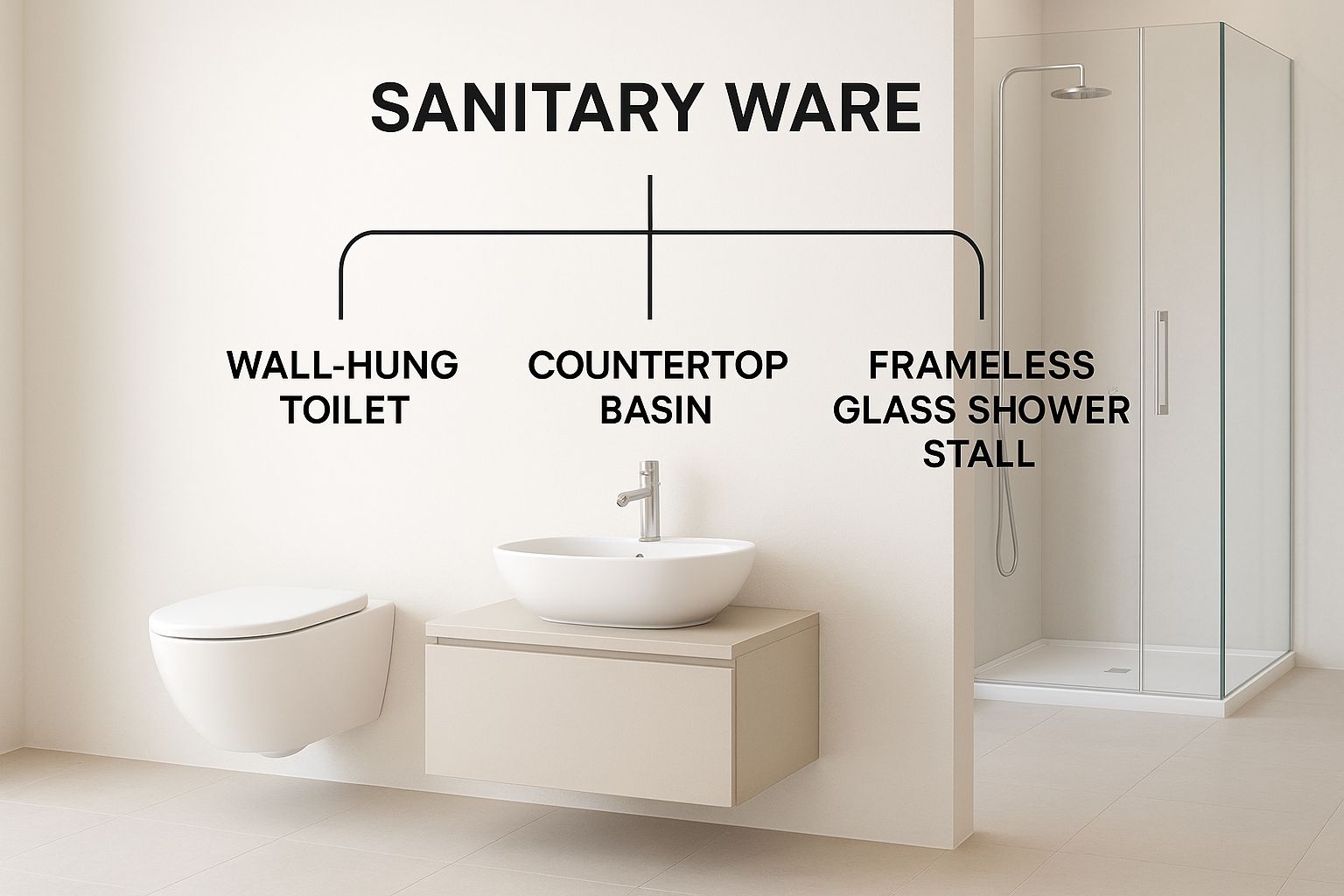
To start, it helps to understand the main categories. The three pillars of any bathroom project are the toilets, basins, and bathing units, each serving a distinct and essential function.
Breaking down these core components helps clarify which options are best suited for your specific project, whether it's a new build or a renovation.
Toilets and Basins: The Core Components
Let's start with the absolute essentials. For toilets, you'll mainly choose between floor-mounted and wall-hung designs.
- Floor-Mounted: This is the traditional style. It's straightforward to install and service, making it a reliable and budget-friendly option for many homes and businesses.
- Wall-Hung: These fixtures appear to float off the floor, with the cistern cleverly hidden inside the wall. This creates a clean, minimalist aesthetic and makes cleaning the floor much easier—a big reason they are so popular in modern Dubai apartments where every inch of visual space counts.
Basins present a similar set of choices. A pedestal basin is a timeless, all-in-one piece that stands on its own. In contrast, countertop basins (also known as vessel sinks) sit on top of a vanity, giving you a contemporary look with valuable storage space underneath. Many Dubai hotels, which typically refresh their interiors every 7-10 years, are choosing countertop basins to reflect current design trends and enhance guest experience.
Comparing Materials For The Dubai Climate
The material you choose is your fixture's first line of defense against Dubai's persistent heat and humidity. While basic ceramic is common, its quality can vary. Vitreous china is a significant step up; it's a type of ceramic fired with a glass-like coating, making it non-porous and highly resistant to stains and scratches. For high-traffic commercial spaces or premium projects, solid surface composites are a go-to choice for their exceptional durability and sleek, one-piece look.
To help you decide, the table below compares how different materials behave in the real-world conditions found across Dubai.
Sanitary Ware Materials Performance In Dubai Climate
Real-world performance comparison of different sanitary ware materials in Dubai's challenging environment
| Material Type | Heat Tolerance | Humidity Resistance | Longevity Rating | Ideal Application |
|---|---|---|---|---|
| Vitreous China | Excellent | Excellent | High | Residential & commercial |
| Standard Ceramic | Good | Good | Medium | Budget-conscious projects |
| Solid Surface | Excellent | Excellent | Very High | Luxury hotels, public areas |
| Stainless Steel | Very High | Excellent | Very High | Public restrooms, kitchens |
As the table shows, while vitreous china offers a great balance for most applications, specialized materials like solid surface or stainless steel provide superior performance in more demanding environments.
Ultimately, selecting the right type and material of sanitary ware in Dubai is about finding the sweet spot between your design vision, your budget, and the practical demands of the climate. A well-informed decision means your bathroom fixtures won't just look great when installed but will continue to perform reliably for years to come.
Quality Standards That Actually Matter In Dubai
Think of quality certifications for sanitary ware in Dubai not as bureaucratic red tape, but as your project's most important insurance policy. They are your guarantee against premature failures, leaks, and costly delays that can derail a job. A missing certification isn't just a minor detail; it's a major red flag.
Decoding the Key Certifications
The world of product standards can feel like an alphabet soup of acronyms. Fortunately, you only need to recognize a few key marks to understand a product's integrity and whether it’s built to last.
- ISO (International Organization for Standardization): This tells you how the product was made. A certification like ISO 9001 confirms the manufacturer has a dependable quality management system. This is a strong sign that you can expect consistent, reliable products from one order to the next.
- BS EN (British and European Standards): Respected and frequently cited in UAE building codes, these standards apply directly to the product itself. A BS EN mark on a ceramic basin means it has passed specific, demanding tests for water absorption, durability, and surface quality.
- ASME (American Society of Mechanical Engineers): This one is essential for the mechanical parts. It ensures that taps, valves, and flushing mechanisms are engineered to handle the region's specific water pressure without failing unexpectedly.
These standards are developed by globally recognized bodies. For instance, the British Standards Institution (BSI) is a major source for many of the benchmarks used in the construction industry.
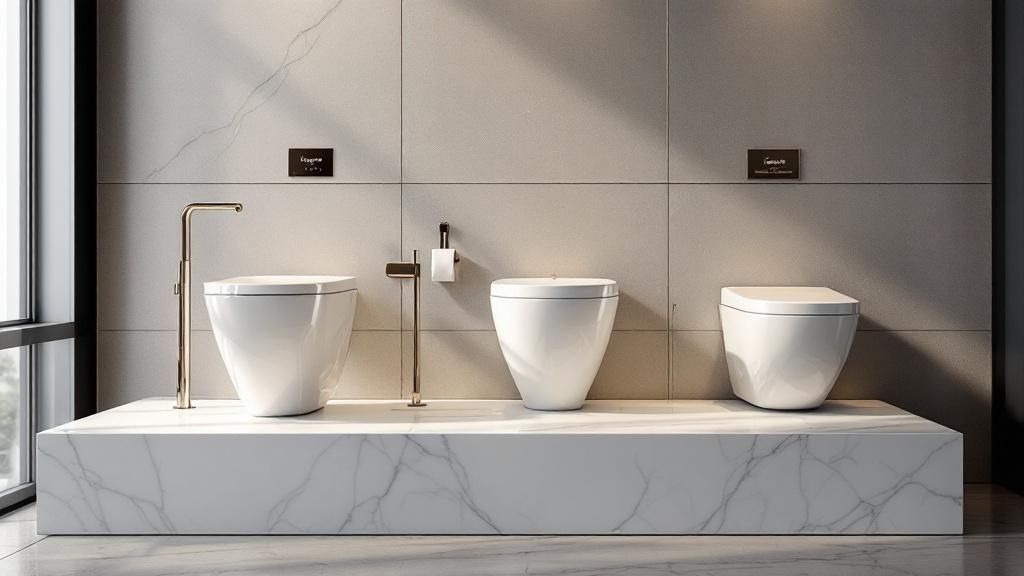
Seeing a BSI or similar mark means a product has undergone a rigorous and documented verification process. It gives you peace of mind that you're not installing an item that only looks good on the surface.
Connecting Standards To On-Site Approval
These certifications directly impact your project's success because they are what Dubai Municipality inspectors look for. They aren't just glancing at brand names; they are confirming full compliance with building codes that often explicitly name BS EN or other international standards for safety and water conservation.
An uncertified fixture might have an inefficient flush that wastes huge amounts of water—a critical issue in the UAE—or contain a faulty valve that fails under pressure. This can lead to a failed inspection, forcing expensive rework and pushing your project timeline back significantly.
Why Paying For Quality Is The Smarter Financial Move
Ultimately, choosing certified products is a strategic financial move. A premium, certified tap is far less likely to cause a slow leak that leads to extensive water damage and costly repairs down the road. You can learn more about our commitment to quality assurance in Dubai's construction to see how this approach translates directly to project security.
The initial savings from a non-compliant product are quickly wiped out by the potential costs of replacement, additional labor, water damage, and harm to your professional reputation. Investing in quality-assured sanitary ware protects your budget, your timeline, and your standing in a competitive market.
How Dubai's Construction Boom Shapes Your Options
Every new crane piercing Dubai's skyline sends a signal through the construction supply chain. This relentless pace of development directly influences the availability and price of sanitary ware in Dubai, creating a market filled with both opportunities and potential pitfalls. Understanding these forces is crucial to keeping your project on schedule and within budget.
The Ripple Effect of Mega-Projects
Imagine a major developer places a single, massive order for a new skyscraper. This isn't just one transaction; it's like a large stone dropped into a pond, creating ripples that affect the entire market. When a developer buys 5,000 toilets for a new residential tower, they can instantly absorb a supplier's entire stock of a specific model.
This leaves smaller projects, like a home renovation or a small café fit-out, scrambling. The designer faucet you had your eye on might suddenly have a three-month waiting list because a new 5-star hotel bought out the regional inventory. This dynamic competition between large and small projects makes careful planning a necessity when sourcing sanitary ware.
This effect is a primary driver of the market. The city's ambitious construction pipeline, including high-profile developments like the Natural History Museum Abu Dhabi and Louvre Abu Dhabi Residences, constantly fuels demand. As a result, the UAE ceramic sanitary ware market is expected to grow at a compound annual growth rate of about 4.85% between 2025 and 2030. You can explore more market data in the full research report.
To better understand how this works, the table below breaks down how different large-scale projects affect the sanitary ware market for other buyers.
Major Dubai Projects Impact On Sanitary Ware Demand
How large-scale developments influence market availability and pricing
| Project Category | Volume Requirements | Implementation Timeline | Market Effect | Buyer Opportunities |
|---|---|---|---|---|
| Luxury Residential Towers | High volume of premium, designer-brand fixtures (e.g., 5,000+ units per project) | 18-24 months, with phased procurement | Scarcity of specific high-end models; price increases on designer brands. | Source from niche, boutique suppliers; pre-order well in advance of project needs. |
| Hospitality (Hotels & Resorts) | Very high volume of both standard and luxury models, often custom-specified. | 12-20 months, with intense final-phase purchasing. | Depletes stock of popular, durable mid-range and luxury items. | Look for high-quality alternative brands; build relationships with multiple distributors. |
| Public Infrastructure (Airports, Malls) | Massive volume of highly durable, water-efficient standard fixtures. | 24-36+ months, with long-term supply contracts. | Creates shortages of water-saving models and commercial-grade fixtures. | Focus on suppliers with strong import networks; consider lesser-known brands with ESTIDAMA/SASO ratings. |
| Villa Communities | Medium-to-high volume of consistent, mid-to-high-end product lines. | Phased over 2-4 years, creating steady demand. | Sustained pressure on popular "villa-style" sanitary ware suites. | Negotiate bulk deals for smaller projects by piggybacking on larger community orders if possible. |
This table shows that staying aware of major construction trends isn't just interesting—it's a strategic advantage that allows you to anticipate market shifts and plan your procurement accordingly.
Navigating Supply and Demand Cycles
For any buyer, timing is everything. The demand for sanitary ware in Dubai is not a flat line; it spikes and dips with construction deadlines and even seasonal holidays. There's often a major push to complete projects before the cooler winter months or major public holidays, causing a surge in demand in late summer and autumn that leads to stock shortages and premium pricing.
By understanding these cycles, you can make smarter purchasing decisions. Placing your orders during quieter periods, such as the middle of summer, can often result in better stock availability and more favorable pricing. This foresight helps you sidestep common bottlenecks and keeps your project moving smoothly.
This planning also connects to material choice, as durability and sustainability are increasingly important. For more on this, you might be interested in the top 5 trends in building materials for sustainable construction in Dubai, which shows how these choices fit into the bigger picture.
Procurement Strategies for Every Project Scale
A one-size-fits-all purchasing plan simply doesn't work in this market. Your strategy must be tailored to the scale of your project. Here are a few practical approaches:
- For Single-Home Renovations: Stay flexible. Always have a second and third choice for your key fixtures. If your preferred toilet or tap is out of stock, you can pivot without derailing your timeline.
- For Mid-Sized Commercial Projects: Talk to suppliers early in the design phase. Confirm stock levels and lead times before you commit to a specific product in your plans.
- For Large-Scale Developments: Work directly with major distributors or even manufacturers. This allows you to negotiate pricing based on volume and arrange for phased deliveries that align perfectly with your construction schedule.
Finding Suppliers Who Deliver On Their Promises
Dubai's massive construction scene creates a dizzying number of choices for materials. But knowing when to source your supplies is only one part of the puzzle. The real difference between a smooth project and a stressful one often comes down to who you buy from. Choosing a partner for sanitary ware in Dubai isn't just a purchase; it's a strategic decision that safeguards your project's timeline and budget.
The Main Supplier Channels In Dubai
The city offers a few key avenues for sourcing fixtures, and each has its own strengths depending on your project's needs.
- Established Showrooms: These are the places you go for a hands-on experience. If you or your client need to see and feel the quality of a product, showrooms are ideal. They usually feature premium brands, offer expert advice, and provide a personalized touch perfect for high-end homes or boutique hotels.
- Wholesale Distributors: When you're building at scale, wholesalers are your best friend. Their entire business is built around logistics, maintaining large stocks, and offering competitive pricing for contractors. They are the workhorses supplying large residential towers and sprawling community projects.
- Online Platforms: Offering convenience and a huge selection, online stores are a growing part of the market. They are great for finding specific items or for smaller jobs. However, for large orders, it's crucial to confirm their delivery capabilities and what kind of support they offer after the sale.
Evaluating Suppliers Beyond The Brochure
A polished catalog can be deceiving. The real measure of a supplier is how they perform when things don't go as planned. You need to dig deeper to see if they have the operational strength to back up their promises.
One of the most important things to look for is genuine technical expertise. Your supplier should be more than a salesperson—they need to be an advisor who understands how their products work with the rest of your project's systems. A fancy toilet is worthless if it's not compatible with the installed plumbing. This is why understanding the full system is so important, as we detail in our guide on how to select the right PVC pipe suppliers in Dubai.
Equally important are the warranty and after-sales service. A "lifetime warranty" is meaningless if you can't get the company on the phone when a fixture fails. A reliable supplier stands behind their products with prompt support for troubleshooting or replacements, saving you from angry clients and the high cost of rework. This level of support shows they have real confidence in their product quality.
Green Flags Vs. Red Flags: Spotting A Trustworthy Partner
To make your decision easier, watch for these simple signals that separate the good partners from the risky ones.
Green Flags That Signal a Reliable Partner:
- They are transparent about stock availability and delivery estimates from the start.
- They readily provide technical specifications and quality certifications.
- They have a physical location, like a warehouse or office, that you can actually visit.
- They can connect you with other contractors who have used their services.
Red Flags to Watch Out For:
- They give vague answers about where their products come from or if they meet local standards.
- The conversation is only about getting the lowest price, with no mention of quality.
- Communication is spotty, and you’re constantly dealing with a different person.
- The business feels temporary or lacks a solid, long-term footprint in the market.
The pressure on Dubai's supply chain is immense. The city's population grew past 3.65 million in 2023, with over 100,000 new people moving in that year alone. This incredible growth fuels non-stop demand for housing, which in turn puts a spotlight on the need for reliable sources of sanitary ware in Dubai. In this environment, your choice of supplier is more important than ever. As you can discover more market growth insights from this research, a strong supplier relationship is a powerful advantage that helps you stay on schedule in a city that never stops building.
Smart Budget Planning And Pricing Strategies
Discussing the budget for sanitary ware in Dubai requires a clear head. It's tempting to focus only on the initial quote, but a sensible budget accounts for the entire financial picture, from the purchase to its long-term performance. This means learning to see the difference between real value and clever marketing, and understanding where a bigger investment actually saves you money.
Looking Past the Price Tag: The Total Cost of Ownership
Think about buying a car. The sticker price is just the beginning; you also have to factor in fuel, insurance, and maintenance. The same logic applies to sanitary ware. The total cost of ownership is a concept that looks beyond the initial price to include all the expenses that will pop up over the years.
These "hidden" costs can include tricky installations that increase labor fees, constant maintenance for low-quality fixtures, or the frustration of needing an early replacement. A cheap faucet that starts dripping after a year will cost you far more in water bills, potential water damage, and replacement hassle than a durable, certified one from the start.
Practical Budget Allocation Strategies
Not every piece of sanitary ware in your project needs a top-tier budget. A practical approach is to assign funds based on how much a fixture will be used. For a busy family bathroom or a high-traffic public washroom, it’s wise to invest more in the items that do the most work.
- Spend More On: The fixtures you use every day, like the main toilet and basin taps. Durability here is key to preventing constant problems and disruptions.
- Spend Moderately On: Items like shower systems and bathtubs. Quality is still important, but you can often find great mid-range products that perform beautifully without the premium price.
- Save On: Accessories in guest bathrooms or less-used areas. A simple, well-made towel hook might be all you need instead of a high-end designer piece.
This targeted spending directs your money where it will have the greatest effect on your project's long-term reliability and your own satisfaction.
Negotiation and Deal Structuring
In Dubai's market, successful negotiation is about building good relationships and finding a deal that works for everyone. It’s not just about haggling over the price of a single toilet. Smart deal structuring can lead to major savings and give your project more breathing room. Try to find suppliers willing to discuss terms beyond a simple discount.
| Negotiation Strategy | Ideal Situation | Main Advantage |
|---|---|---|
| Volume Discounts | Large-scale projects or ordering for multiple units. | Reduces the cost for each individual item, sometimes dramatically. |
| Favorable Payment Terms | Projects where managing cash flow is critical. | Gives you more time to pay (e.g., 60 or 90 days), aligning payments with your project's income. |
| Bundled Deals | Outfitting an entire bathroom from scratch. | You can get a better overall price by buying everything—from the toilet to the taps—from one supplier. |
By exploring these avenues, you can structure a deal that protects your budget while getting the quality sanitary ware in Dubai you need. This turns a simple purchase into a strategic move that supports your project's financial success.
Your Roadmap To Sanitary Ware Success In Dubai
Finding the right sanitary ware in Dubai is more than a one-off shopping trip. Real success comes from building a reliable process and strong relationships that serve you across all your projects. Think of this as your playbook for turning knowledge into a winning strategy, whether you're updating a single bathroom or outfitting an entire commercial building.
Building Your Project-Specific Evaluation Framework
Before you even think about calling a supplier, you need a clear picture of what "success" looks like for your specific project. This simple step keeps your priorities straight and protects you from persuasive sales pitches that don't match your needs. Your plan starts with a solid checklist.
Project Planning Checklist:
- List Your Must-Haves: What are the non-negotiables? Be specific, like a dual-flush toilet for water savings, a wall-hung model to save space, or a particular placement for the shattaf.
- Set Your Quality Tiers: Decide where you need to invest in premium materials like vitreous china and where good-quality standard options will do the job perfectly well.
- Confirm Compliance Needs: What certifications, such as BS EN or ISO, are required for municipal approvals? Getting this right from the start prevents expensive delays down the road.
- Establish a True Cost Budget: Look past the initial price. You must account for installation challenges, future maintenance needs, and the product's long-term durability.
Cultivating Long-Term Vendor Partnerships
In Dubai's tight-knit construction scene, your reputation is everything. Strong supplier relationships are the foundation of that reputation. Chasing the lowest price on a single order might feel like a win today, but it often leads to bigger costs later. The real goal is to find a partner, not just a seller.
A great partner offers consistent quality, keeps products in stock, and gives you expert advice that helps you sidestep problems. They become part of your team, making your workflow smoother and improving your final product. This is how you build a name for yourself—by being reliable and working with other trusted professionals who deliver on their promises.
Implementing On-Site Quality Control
Your job isn’t over when the delivery arrives. A simple quality control check on-site is your last line of defense against costly mistakes. This isn’t about causing trouble; it's about being a professional.
- Inspect Upon Arrival: Before you sign anything, check every item for visible shipping damage.
- Verify the Order: Does the model number on the box match what you ordered? Are the required certifications marked on the product or packaging?
- Check Against the Plans: Make sure the fixtures you received fit the plumbing and electrical layouts. Catching a mismatch here can save you from huge rework costs.
This hands-on check guarantees that the quality you paid for is what actually gets installed. For a partner who understands this whole process—from planning to delivery—and provides certified, high-quality materials, you need a team you can trust.
Explore a complete range of building and sanitary ware in Dubai with Yasu Trading Co. LLC. Request your quote today and build with confidence.