Sustainable Adhesives & Sealants: Low-VOC & Bio-Based Solutions for Green Construction
Adhesives and sealants are the unsung heroes of construction, holding everything together behind the scenes. But traditional formulas often come with a hidden cost: a cocktail of chemicals that can harm our health and the planet. That's where sustainable adhesives & sealants offer low-VOC and bio-based solutions for green construction, stepping in to improve indoor air quality and champion renewable resources. This shift is a game-changer for creating healthier buildings and meeting today’s tough environmental standards.
The Foundation of Green Construction
Think about it—in every building, countless materials are bonded together. Flooring, windows, insulation, structural panels... you name it. The adhesives and sealants that create these bonds are absolutely fundamental, yet we rarely consider what they're made of. For decades, these products were packed with Volatile Organic Compounds (VOCs), chemicals that easily "off-gas" into the air we breathe, contributing to smog outdoors and poor air quality indoors.
The green construction movement has put these invisible but crucial components under the microscope. As we demand healthier places to live and work, and as building codes get stricter, the industry has been pushed to find better alternatives. This isn't just about swapping one caulk gun for another; it’s a whole new way of thinking about building materials from the ground up.
Two Pillars of Sustainability
The move toward greener adhesives and sealants really stands on two key advancements:
Low-VOC Formulations: These products are engineered to release far fewer harmful chemicals into the air, which is a direct win for the health of anyone inside the building. They’ve become a must-have for green building certifications like LEED and BREEAM, which reward projects for protecting indoor air quality.
Bio-Based Solutions: Taking it a step further, these next-generation adhesives and sealants are made from renewable resources like plants, starches, or natural resins. This pivot away from petrochemicals not only cuts our reliance on fossil fuels but often dramatically shrinks a product’s carbon footprint over its entire lifecycle.
By making sustainable adhesives and sealants a priority, the construction industry can take a huge bite out of its environmental impact. It's a choice that goes beyond just checking a box for compliance. It’s an active step toward a circular economy where materials are sourced responsibly and buildings are truly designed for human well-being.
When you're building with greener materials, it's important to think holistically. For example, don't forget to consider your choice of eco-friendly kitchen cabinets as part of the bigger picture. Every component counts.
This selection process is a crucial piece of the broader conversation around sustainable construction materials. In the end, choosing the right bonding agents is no longer a minor technical detail—it's a vital decision that makes our buildings safer for people and better for the planet.
Decoding VOCs and Their Impact on Air Quality
Ever walk into a newly renovated space and catch that distinct, chemical-like "new building smell"? That's the unmistakable signature of Volatile Organic Compounds, or VOCs, being released into the air. These invisible chemicals are essentially gases that escape from solids or liquids, and they're common in many traditional adhesives, sealants, paints, and flooring materials.
Think of it like the steam rising from a hot cup of coffee. Just as heat makes water molecules escape as vapor, certain chemical compounds in building products turn into gas at room temperature. This process is called off-gassing, and it doesn't stop after the first day. It can continue for weeks, months, or even years, slowly polluting the indoor air.
This is a big deal when you realize that most people spend around 90% of their time indoors. The air we breathe inside directly affects our health, and VOCs are a major source of contamination.
The Health and Environmental Costs of VOCs
The consequences of long-term exposure to high VOC levels can range from mildly irritating to seriously harmful. People in buildings with poor air quality often report a cluster of symptoms that has come to be known as "sick building syndrome."
Common short-term health effects include:
- Headaches and dizziness
- Nausea
- Irritation of the eyes, nose, and throat
- Worsening of asthma symptoms
But the problems don't stop there. Over the long haul, exposure has been linked to more severe health issues, including damage to the liver, kidneys, and central nervous system. This direct connection between chemical emissions and well-being is what's driving the industry-wide shift toward low-VOC and bio-based solutions for green construction. For those looking to get a better handle on this topic, you can find more insights into Indoor Air Quality.
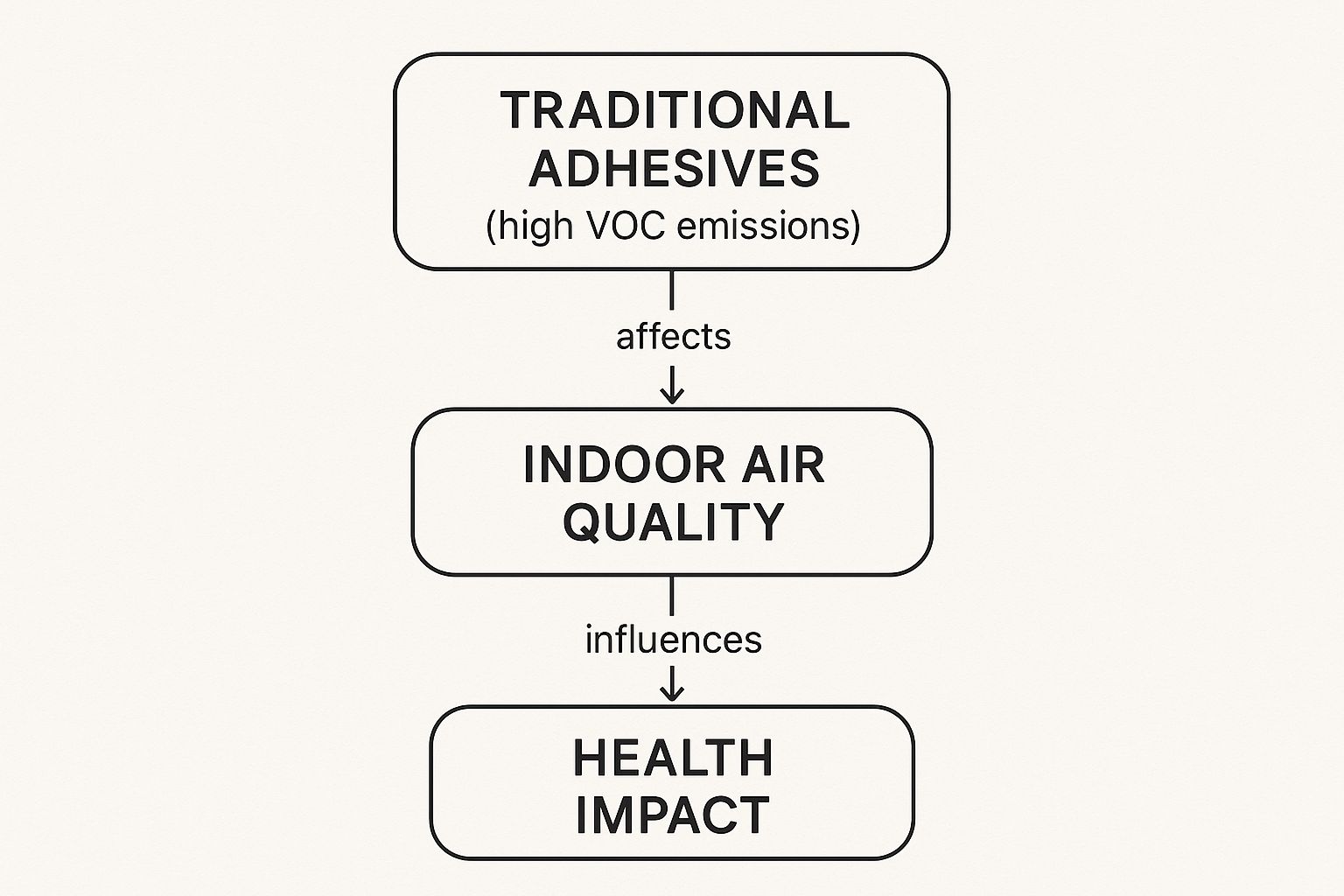
This infographic paints a clear picture of how high-VOC products can lead to health problems.
As you can see, the materials we build with create a direct cause-and-effect chain that impacts the people who live and work in these spaces.
The damage isn't confined to the indoors, either. When VOCs are vented outside, they react with sunlight and nitrogen oxides to create ground-level ozone—the main ingredient in smog. This pollutes our air, damages crops, and harms entire ecosystems.
To make the differences crystal clear, here's a quick comparison of the two product types.
Comparing Low-VOC and Traditional Adhesives and Sealants
| Characteristic | Traditional Solvent-Based Products | Low-VOC and Bio-Based Products |
|---|---|---|
| Health Impact | High VOC emissions can cause headaches, dizziness, and long-term organ damage. | Minimal VOCs significantly improve indoor air quality and reduce health risks. |
| Environmental Footprint | Contributes to smog formation and often derived from non-renewable petrochemicals. | Reduces air pollution and often uses renewable, biodegradable raw materials. |
| Odor | Strong, lingering chemical smell during and after application. | Low to no odor, making them ideal for occupied spaces like hospitals and schools. |
| Performance | Can offer fast curing times but may become brittle over time. | Modern formulas provide excellent durability, flexibility, and long-term performance. |
The takeaway is simple: low-VOC and bio-based options offer a much healthier profile without sacrificing the performance needed for modern construction.
Meeting Modern Green Building Standards
Recognizing these risks, leading green building programs like LEED (Leadership in Energy and Environmental Design) and BREEAM (Building Research Establishment Environmental Assessment Method) now enforce strict limits on the VOC content of building materials.
Specifying low-VOC adhesives and sealants is no longer a niche preference but a foundational requirement for any project aiming for high standards of health, safety, and environmental responsibility.
These standards make the choice clear for forward-thinking projects. To earn certification, teams must carefully select products that meet specific emission thresholds, ensuring the final building provides a healthy environment from day one. Improving your indoor air is a complex challenge, and if you're concerned about your home, you might benefit from our detailed guide on choosing an air purifier.
This regulatory push has ignited major market growth. The sealants market in the Middle East and Africa, valued at USD 24.04 billion in 2022, is on track to hit nearly USD 36.9 billion by 2030. This surge is fueled by the widespread adoption of green materials and regulations targeting VOCs, creating massive demand for sustainable adhesives and sealants. You can read the full research about these market trends. Understanding this shift is the first step toward building a healthier future.
Diving Into the World of Bio-Based Adhesives
While low-VOC products are a huge step forward in cutting down harmful emissions, the next real frontier in sustainable construction is making our materials from nature itself. This is where bio-based adhesives and sealants come in—products derived from renewable, biological sources instead of the finite fossil fuels we’ve relied on for decades. It's a fundamental shift in how we approach the very chemistry of building.
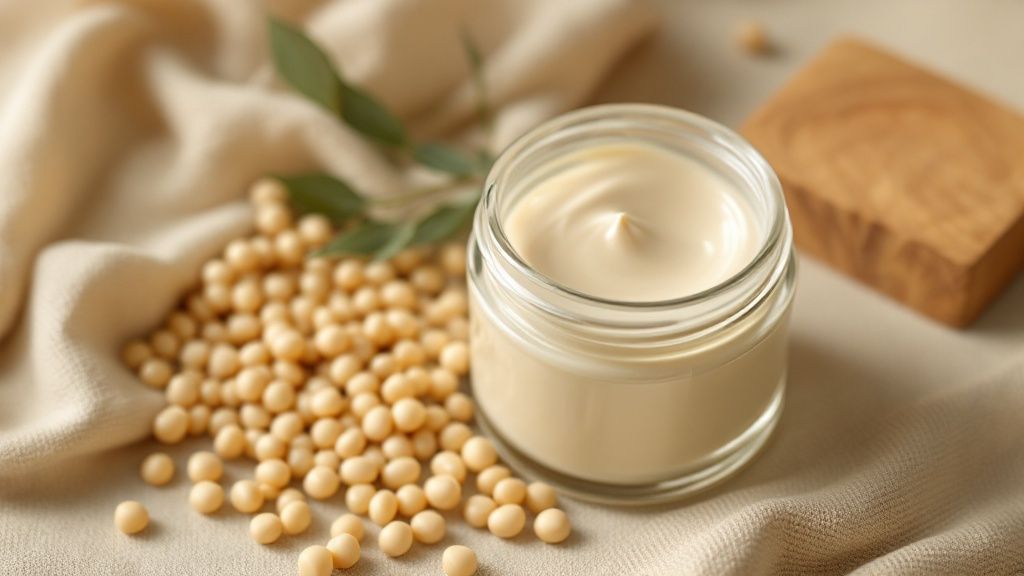
Think about it: adhesives made from the starches in corn, proteins from soybeans, or even the natural resins that seep from trees. Modern science is taking these raw, renewable ingredients and turning them into powerful bonding agents that can hold their own on any job site. This isn't just a "nice-to-have"; these materials are essential for building a true circular economy, where what we take from the earth can eventually be returned to it safely.
From Plants to Polymers
The real magic behind bio-based adhesives is figuring out how to convert natural biomass into effective polymers. This isn't exactly a new idea—people have been using animal glues for centuries—but today's science has taken it to a whole new level of performance and reliability. The formulas we see now are incredibly sophisticated, engineered for very specific jobs.
Here are some of the key sources we're tapping into:
- Plant-Based Starches: Corn and potato starches are being processed to create surprisingly strong binders for wood products and packaging.
- Vegetable Oils and Proteins: Soybeans and castor oil are the building blocks for bio-based polyurethanes and epoxies that offer fantastic flexibility and adhesion.
- Lignin: This is the natural polymer that makes wood rigid. As a byproduct of the paper industry, it’s being repurposed to create tough, durable resins for composite boards and adhesives.
The lifecycle advantage here is massive. Making these materials almost always has a much lower carbon footprint than traditional petrochemical manufacturing. On top of that, many of these adhesives are potentially biodegradable, which could drastically reduce the long-term environmental burden of construction waste.
Types of Bio-Based Adhesives and Where to Use Them
Bio-based formulas aren't a one-size-fits-all solution. Far from it. Different types are engineered for specific tasks, each one playing to the unique strengths of its natural source material. This kind of specialization ensures we're not sacrificing performance for sustainability.
Here’s a quick rundown of the common types and where they shine:
- Starch-Based Adhesives: These are your go-to for interior jobs, like bonding drywall paper, hanging wallpaper, or manufacturing plywood and particleboard. They offer good strength but usually aren’t the best choice where water is a concern.
- Soy-Based Adhesives: They’ve become very popular in engineered wood products, especially cross-laminated timber (CLT). They create powerful, water-resistant bonds, making them perfectly suitable for structural components.
- Lignin-Based Adhesives: Often used as a binder in fiberboard and as an additive in asphalt, their natural strength makes them a fantastic substitute for old-school, formaldehyde-based resins.
- Natural Resin Adhesives: Derived from pine trees, these are commonly found in pressure-sensitive adhesives for tapes and labels, giving them that excellent tackiness.
The core benefit is clear: by using agricultural or forestry by-products, we create high-value construction materials while reducing waste. This approach aligns perfectly with the principles of green construction, turning potential waste streams into valuable resources.
Market Growth and Regional Adoption
The demand for these sustainable solutions is really taking off, reflecting a global shift in what we prioritize in construction. The market in the Middle East and Africa (MEA) for construction adhesives and sealants was valued at around USD 1.16 billion and is expected to grow at a compound annual rate of 4.71%. This boom is fueled by massive infrastructure projects and a strong regulatory push toward greener building codes.
Unsurprisingly, the major industry players are investing heavily in new low-VOC and bio-based formulas to keep up. You can dig deeper into the MEA market trends on Mordor Intelligence.
This trend makes one thing crystal clear: sustainable adhesives & sealants are no longer a niche product for eco-warriors. They're becoming a mainstream requirement. As the technology gets better, the performance gap between bio-based and synthetic products is shrinking every day, making them a smart and responsible choice for a huge range of applications. Making the switch isn't just about compliance; it's a critical step toward building a healthier, more resilient future.
How to Choose the Right Sustainable Sealant
Walking down the aisle for sustainable adhesives & sealants can feel a bit like guesswork. With so many products slapped with a "green" label, how do you know which one will actually perform on the job and meet your environmental goals? The secret is to look past the marketing hype and focus on a few key factors that separate the good stuff from the greenwashed.
Think of picking a sealant like choosing the right tool for the job. You wouldn't use a hammer to drive a screw. In the same way, a low-VOC sealant designed for interior baseboards is going to fail spectacularly if you ask it to seal a window frame baking in the Dubai sun. A little bit of a methodical approach here will save you a world of headaches later.
Start with Substrate Compatibility
First things first: will the sealant actually stick to what you're applying it to? This is called substrate compatibility, and it's the most common point of failure. An adhesive that’s a rockstar on porous wood might just peel right off a non-porous surface like aluminum or glass.
Don't guess. Always check the manufacturer's recommendations. Mismatching the product to the material is the #1 reason for bond failure, which means callbacks, wasted materials, and blown budgets. This simple check is your first line of defense.
Evaluate the Job's Real-World Demands
Once you know the sealant will stick, you need to think about what life will be like for that bead of caulk. Every project has its own unique set of challenges, and a one-size-fits-all product is a recipe for disappointment.
Ask yourself a few practical questions:
- Inside or Out? This is a big one. Exterior sealants are built tough—they need UV resistance to keep from cracking under the sun and the flexibility to handle wild temperature swings and moisture.
- How Much Will It Move? Buildings aren't static; they shift, expand, and contract. For joints designed to move, you need a sealant with high movement capability, usually shown as a percentage like ±25%.
- Any Special Conditions? Does the area need to be fire-rated? Will it be exposed to chemicals in a workshop? Do you need to paint over it? Each of these specific needs points you toward a different sealant chemistry.
A product is only truly sustainable if it lasts. Choosing a sealant is a balancing act. It has to meet your green goals, but it also has to do its job right the first time to avoid the waste and environmental cost of a premature replacement.
Decode the Technical Data Sheet
Forget the flashy marketing on the tube. Your best friend is the Technical Data Sheet (TDS). This is where the real information lives, cutting through the fluff to give you hard data. They can look intimidating, but you only need to zero in on a few key details.
Here’s what to hunt for on a TDS:
- VOC Content: This is your environmental scorecard, usually listed in grams per liter (g/L). Make sure the number meets or beats the requirements for any green building certifications you're targeting.
- Cure Time: This tells you how long until the sealant is tack-free and when it reaches full strength. This is mission-critical for scheduling, especially on a fast-moving job site.
- Application Temperature Range: This defines the sweet spot for application temperatures. It’s a make-or-break detail, particularly when working in the extreme heat of the UAE climate.
- Certifications: Look for trusted, third-party logos. Seals of approval from organizations like GREENGUARD, which vets products for low chemical emissions, or EMICODE tell you the product has been independently tested.
By digging into these practical details, you can confidently choose low-VOC and bio-based solutions for green construction that aren't just better for people and the planet—they're perfectly matched to the demands of your project.
Best Practices for Applying Sustainable Adhesives
Picking the right sustainable adhesive is only half the job. You can have the most advanced, eco-friendly product on the market, but it’s all for nothing if it isn't applied correctly. Following the right steps ensures the performance engineered in the lab actually shows up on the job site, giving you a strong, durable, and lasting bond.
Think of it like cooking a gourmet meal. You can have the best ingredients, but if your oven is at the wrong temperature, the dish is a bust. The same exact logic applies to low-VOC and bio-based solutions for green construction—proper technique is everything.
Surface Preparation: The Foundation of a Strong Bond
If an adhesive bond fails, nine times out of ten, poor surface preparation is the culprit. Adhesives need a clean, sound, and dry surface to create a tenacious grip. Any contaminants like dust, grease, moisture, or loose debris create a barrier, preventing the adhesive from ever touching the material it’s supposed to bond to.
Before you even reach for the caulking gun, make sure you’ve covered these bases:
- Clean It Up: Wipe every surface with a suitable cleaner to get rid of oils, dirt, and any old sealant residue.
- Make Sure It's Dry: Moisture is the arch-nemesis of a good bond. Water can mess with the curing process and significantly weaken the final result, so ensure the substrate is bone-dry.
- Scuff It Up (If Needed): For slick, non-porous surfaces like metal or certain plastics, lightly scuffing the area with sandpaper gives the adhesive a better texture to bite into.
Getting this first step right sets the stage for success and helps you avoid costly callbacks and frustrating repairs later on.
Mind the Temperature and Curing Times
Sustainable adhesives, and bio-based formulas in particular, can be a bit sensitive to their environment. Always check the product's Technical Data Sheet (TDS) for the recommended application temperature range. Applying a sealant when it's too hot or too cold can seriously mess with its ability to cure properly.
A common mistake is rushing the job. Every adhesive needs time to cure and build up to its full strength. Respecting the specified curing time—the period before the bond can handle stress, moisture, or movement—is critical for long-term durability.
This is especially true in places with extreme weather. For example, the Middle East adhesives and sealants market, valued at around USD 1.513 billion, is taking off thanks to a wave of green construction projects. In countries like Saudi Arabia, which holds 35.3% of that regional market, contractors have to use products built for high heat and stick to the application rules to a T. You can discover more insights about these market drivers on Grand View Research.
Use the Right Amount, the Right Way
Applying the right amount of adhesive is a balancing act. Too little, and you get a weak bond. Too much, and you're just wasting product and creating a mess that’s a pain to clean up.
- Get the Right Tools: A good application gun gives you much better control over the bead size and flow rate.
- Cut the Nozzle Smartly: Snip the tip of the cartridge nozzle at a 45-degree angle to a size that fits the gap you're filling.
- Keep it Steady: Move at a consistent speed and apply even pressure to lay down a smooth, uniform bead. This prevents gaps and air pockets, ensuring a complete seal.
By mastering these fundamentals, you’re not just making a smart choice with sustainable adhesives & sealants; you're guaranteeing they deliver the reliable, long-lasting performance modern green construction demands.
The Future of Bonding in Green Construction
The progress we've seen in sustainable adhesives & sealants is really just the tip of the iceberg. We're on the fast track toward healthier, greener building materials, and the next wave of innovation is poised to completely change what’s possible in construction. These next-gen materials aren't just about doing less harm—they're being designed to actively help our environment.
Think about a sealant that can actually heal itself. This isn't science fiction anymore; self-healing sealants are a real, emerging technology. When tiny stress cracks appear, microscopic capsules embedded in the sealant break open. They release a resin that flows into the gap and hardens, effectively mending the damage on its own. This technology drastically extends the life of a building's envelope, cuts down on maintenance, and reduces waste from constant repairs.
Smarter and Stronger Bio-Polymers
At the same time, the bio-based materials world is moving incredibly fast. Researchers are engineering new bio-polymers from sources like fungal mycelium and algae that offer incredible strength and versatility. In some cases, these materials are starting to outperform their traditional petroleum-based counterparts.
Looking even further down the road, scientists are working on adhesives that can pull carbon right out of the air. This could one day turn our buildings into passive carbon sinks, making them part of the solution to climate change.
Two powerful forces are pushing this evolution forward: stricter global emissions regulations and a growing public demand for healthier indoor environments. The industry has no choice but to respond with smarter, more responsible chemistry.
These advancements are a core part of the latest trends in building materials for sustainable construction in Dubai, where cutting-edge solutions are crucial for hitting ambitious green building goals. As these technologies mature and scale, they’ll shift from niche to normal.
The takeaway here is simple. Adopting low-VOC and bio-based solutions for green construction isn't just a trend. It's a fundamental change in our approach to building—one that ensures our structures are not only tough and efficient but also healthy, resilient, and truly sustainable for the long haul.
Frequently Asked Questions
When it comes to switching to sustainable adhesives and sealants, a few practical questions always come up. Let's tackle some of the most common ones about performance, cost, and reliability so you can feel confident making the change.
Are Low-VOC Adhesives as Strong as Traditional Ones?
That’s probably the biggest myth out there, but the short answer is yes, absolutely. While some of the earliest low-VOC products might have had some performance trade-offs, that’s ancient history now. Today's advanced formulas are engineered to meet—and often beat—the strength and durability of their high-VOC cousins.
Manufacturers have poured years of research into perfecting water-based, silyl-modified polymer, and low-monomer polyurethane technologies. The result? You get incredible bond strength and flexibility without the harmful off-gassing. The trick, as always, is simply matching the right product to the specific job at hand.
How Can I Verify a Product’s Green Claims?
With so much "greenwashing" in the market, you have to be a savvy buyer. Don't just take the marketing claims on the front of the tube at face value. The real proof is in the independent, third-party certifications.
Flip the product over or check its technical data sheet for these trusted marks:
- GREENGUARD Certification: This is a big one. It means the product has been through rigorous testing to ensure it meets strict chemical emission limits, which is great for indoor air quality.
- EMICODE: This is a key international standard for flooring adhesives and construction products, classifying them based on how low their VOC emissions are.
- USDA BioPreferred Program: This label verifies that a product contains a minimum amount of bio-based content, confirming it's made from renewable resources.
These certifications are your guarantee that a product's environmental claims are the real deal.
Can Bio-Based Sealants Be Used in Harsh Climates?
They certainly can. Modern bio-based sealants are not the fragile formulas of the past; many are specifically designed to withstand tough conditions, including the intense heat and UV exposure we see in the UAE. Thanks to innovations in bio-polymers from sources like soy, lignin, and castor oil, we now have products with fantastic weathering resistance.
The performance of a bio-based sealant all comes down to its specific chemistry. Always check the Technical Data Sheet (TDS) for details on temperature stability, UV resistance, and movement capability to make sure it’s the right fit for your project's climate.
By choosing a product engineered for high-temperature environments, you can ensure it will cure properly and maintain its strength and flexibility for years. It's solid proof that sustainable adhesives & sealants are a tough, reliable choice for even the most demanding settings.
For all your project needs, from high-performance sustainable sealants to a complete range of building materials and hardware, Yasu Trading Co. LLC is your trusted partner. We provide the quality products and expert support required to bring your construction vision to life. Request a quote on our website today.