Sustainable Fasteners & Coatings: Fighting Corrosion in UAE’s Coastal Climate
When building along the UAE's coastline, you're not just fighting gravity—you're in a constant war with the environment itself. The combination of intense heat, high humidity, and salt-laden air creates one of the most aggressive corrosive atmospheres on the planet. To win this fight, specialized, sustainable fasteners and coatings aren't a luxury; they are the first line of defense for any structure.
These materials are engineered to protect the very bones of our coastal infrastructure, ensuring that buildings and bridges don't just look good, but stand strong for decades against the relentless assault of nature.
The Hidden Battle Against Corrosion in the UAE
Think of corrosion as a silent, invisible saboteur, working 24/7 to undermine the UAE's stunning coastal skyline. This isn't just a simple case of rust. The unique blend of scorching heat, soupy humidity, and salty air from the Arabian Gulf creates a perfect storm that dramatically speeds up the aging process for metal.
Standard construction materials simply can't keep up. They buckle under the pressure of this extreme environment. Recognizing the scale of this challenge is critical to understanding why we can't afford to cut corners. Sustainable, high-performance fasteners and coatings are the only way to safeguard these massive investments.
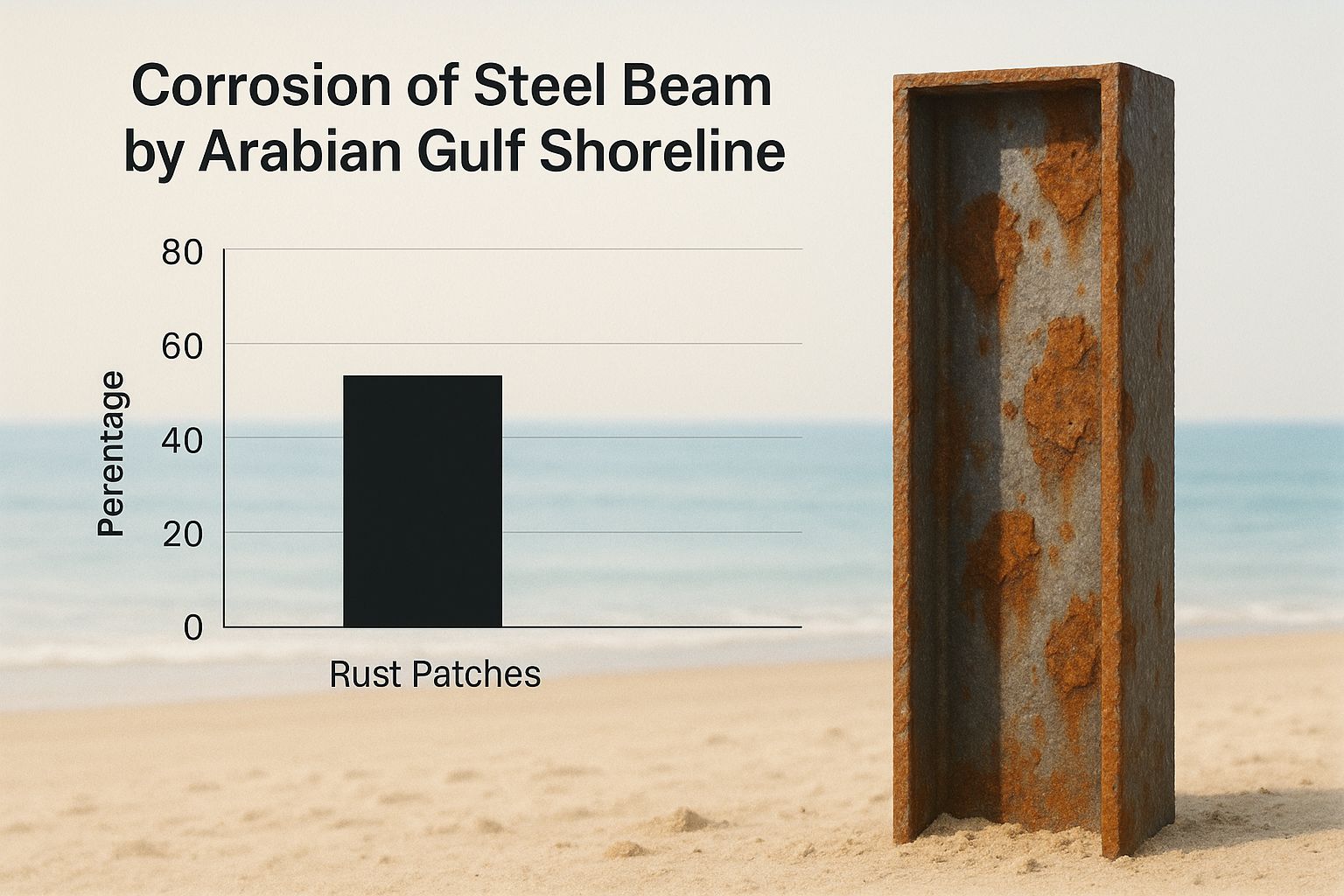
The image below paints a clear picture of what happens when corrosion wins.
It’s a stark reminder of how quickly the elements can compromise the structural integrity of our most vital assets.
A Climate Engineered for Corrosion
Let's break down exactly what we're up against. Summer temperatures regularly soar past 45°C, and the average relative humidity often hangs above 60%. Add in the constant salt spray that blankets every surface with corrosive chlorides, and you have a recipe for rapid decay.
These conditions are especially brutal on steel reinforcement inside concrete, a cornerstone of modern construction. In fact, research shows that uncoated carbon steel in places like Abu Dhabi can corrode several times faster than it would in a more moderate climate. This is where the long-term durability of steel buildings is truly put to the test.
Corrosion isn't just a cosmetic problem that makes things look old. It's a direct threat to public safety and economic stability. In the UAE's coastal zones, it’s a constant, expensive battle against nature—a battle that demands we use advanced, sustainable solutions to win.
This ongoing struggle forces us to look closely at the specific materials and technologies designed to survive here. The fasteners holding a structure together and the coatings protecting its surfaces are no longer minor details; they are critical decisions with lasting consequences for the future of the region's architectural marvels.
Choosing the Right Sustainable Fasteners
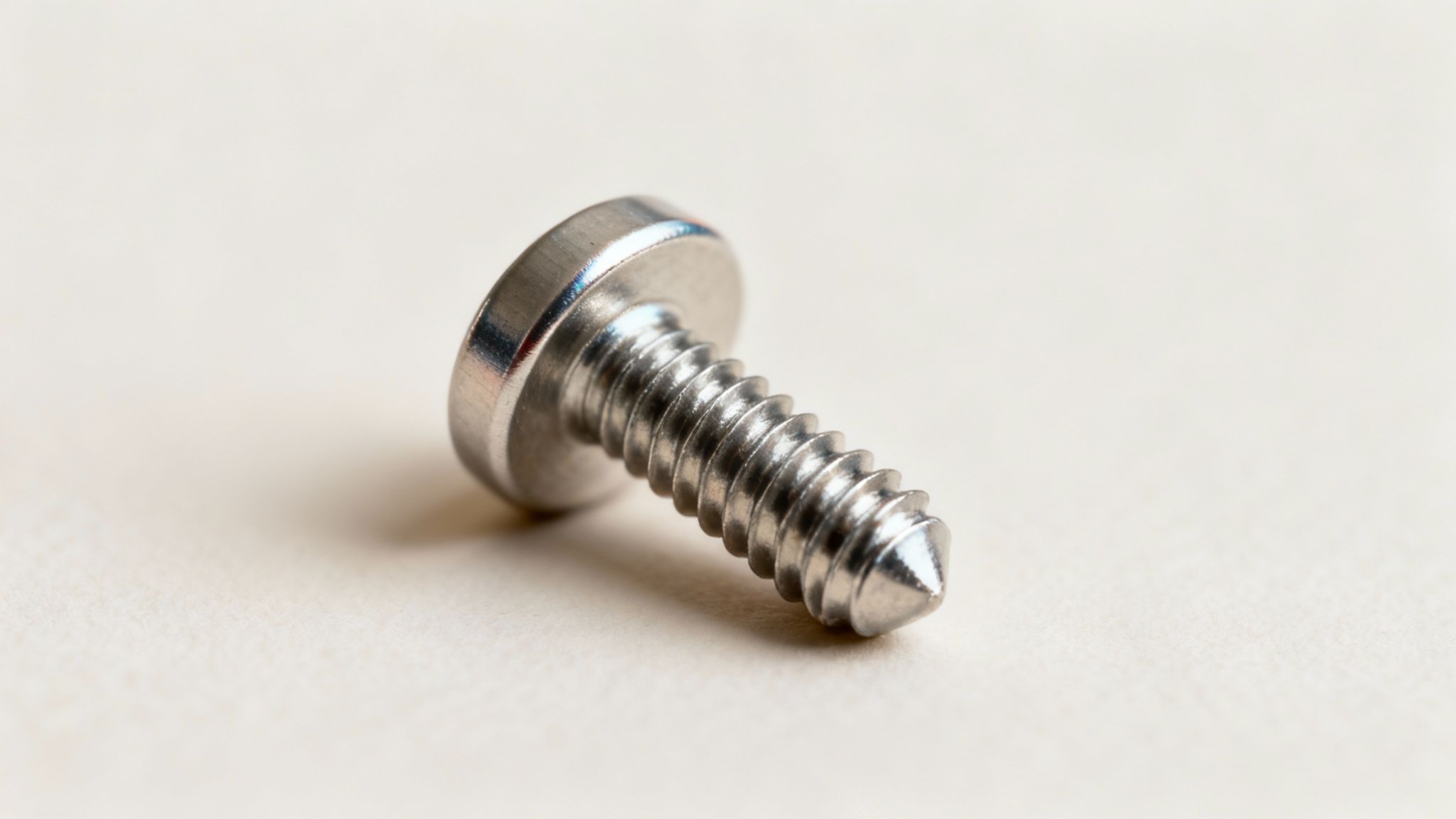
When we hear "sustainable," our minds often jump to recycled materials. But in the unforgiving coastal climate of the UAE, the truest measure of a fastener's sustainability is its longevity.
A fastener that holds strong for decades is far more sustainable than one needing frequent replacement, no matter its recycled content. Each replacement cycle eats up resources, creates waste, and quietly adds to a project's lifetime carbon footprint. So, choosing the right fastener isn't just about the material itself; it's about preventing failure and avoiding the costly, resource-intensive repairs that always follow. This decision is your first, and most important, line of defense against corrosion.
How Corrosion-Resistant Materials Work
Not all metals can stand up to the salt-laced air of the Arabian Gulf. For these harsh environments, you need to look beyond standard options to specialized alloys and specific grades of stainless steel. These materials don’t just resist corrosion—they have a built-in, self-healing defense mechanism.
Think of it like skin healing after a scratch. When high-grade stainless steel is exposed to oxygen, it forms a thin, invisible, and incredibly tough layer of chromium oxide on its surface. This "passive layer" is a microscopic shield, blocking corrosive elements from reaching the metal underneath. If the surface gets scratched, the shield instantly reforms as long as oxygen is present.
The most sustainable fastener is the one you only have to install once. Its durability directly translates into reduced waste, lower maintenance costs, and a smaller environmental impact over the life of the structure.
This self-healing property is what makes these materials so effective. Protection isn’t just a coating; it’s baked into their very core.
Selecting the Right Grade for the Job
Picking the correct material is a critical engineering decision. For coastal UAE applications, a few key options stand out for their superior performance.
- Stainless Steel Grade 316 (A4): This is the workhorse of coastal construction, often called "marine-grade" stainless steel for a good reason. It contains molybdenum, an element that dramatically boosts its resistance to chloride corrosion—the specific type of attack unleashed by sea salt.
- Specialized Alloys: For the most extreme conditions, like components constantly splashed by saltwater, you need to step up. Duplex stainless steels or nickel-based alloys offer even greater strength and corrosion resistance, engineered at a molecular level for maximum endurance.
The choice between different materials like Mild Steel (MS) and Galvanized Iron (GI) also matters in less critical applications. For a deeper dive, you can explore the nuances of what is better, MS or GI, in bolts and nuts for various settings.
To help visualize these choices, here's a quick comparison of common fastener materials for use in the UAE's coastal regions.
Fastener Material Comparison for UAE Coastal Use
| Fastener Material | Corrosion Resistance | Typical Applications | Sustainability Factor |
|---|---|---|---|
| Stainless Steel 316 (A4) | Excellent | Structural steel, cladding, marine docks, high-exposure outdoor fixtures. | High: Exceptional lifespan minimizes replacements, waste, and long-term resource use. |
| Stainless Steel 304 (A2) | Good | General outdoor use away from direct salt spray, inland construction. | Moderate: Durable in mild environments but may fail prematurely in harsh coastal zones. |
| Hot-Dip Galvanized Steel | Fair to Good | Structural framing, non-critical outdoor fixtures, areas with less salt exposure. | Moderate: Offers a good service life but the protective zinc coating will eventually sacrifice itself. |
| Mild Steel (Uncoated) | Poor | Interior applications only; completely unsuitable for outdoor coastal use. | Low: Rapid failure leads to frequent replacement, structural risk, and high lifecycle costs. |
Ultimately, investing in the right high-performance fastener isn't an expense—it's a strategic decision that protects your entire structure from its most vulnerable points.
The Protective Shield of Advanced Coatings
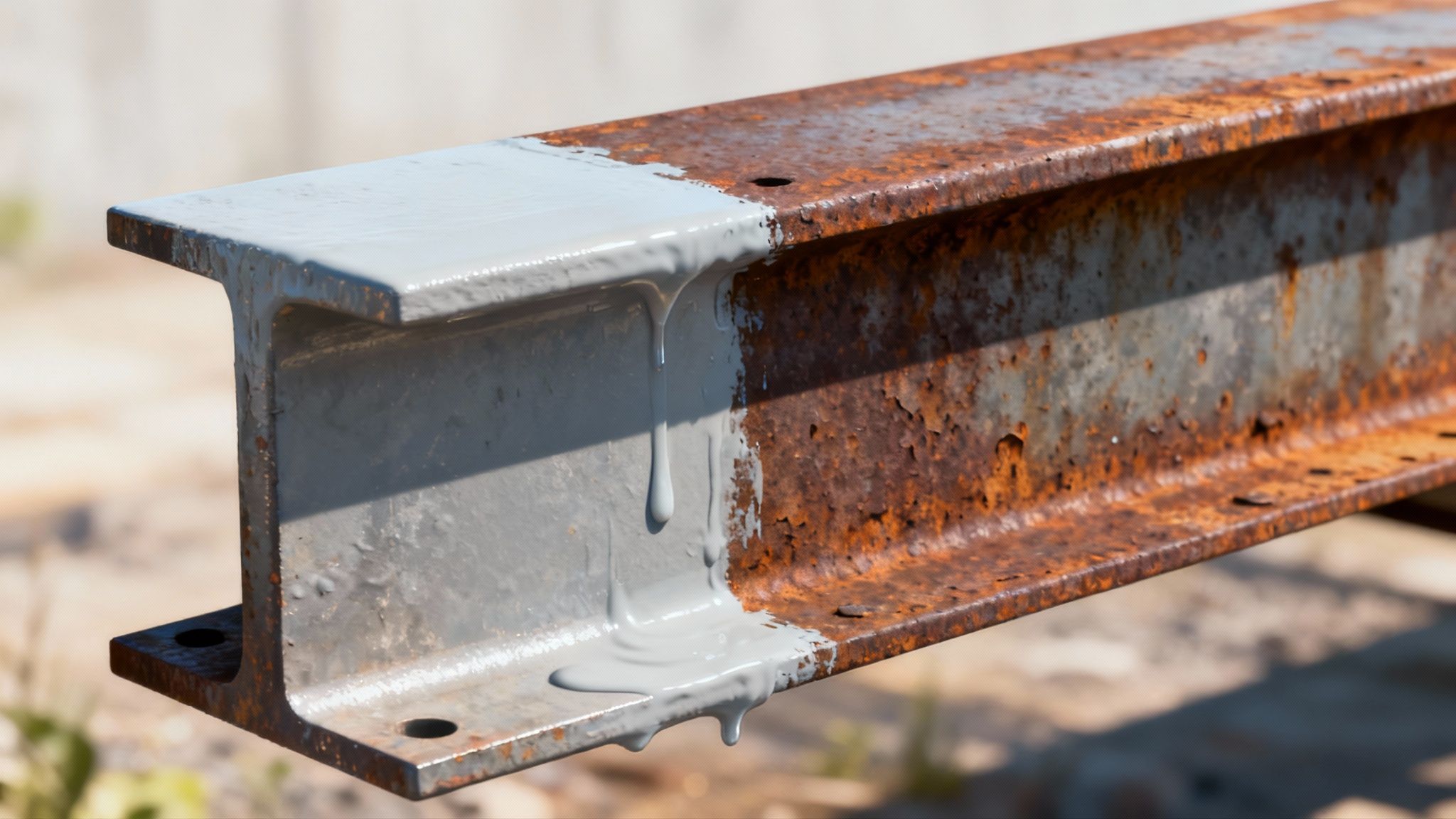
If a high-performance fastener is the skeleton of a coastal structure, then an advanced coating is its impenetrable armor. This thin, precisely engineered layer acts as a physical shield, creating an impermeable barrier between raw metal and the corrosive onslaught of salt, moisture, and intense UV radiation.
Without this protective layer, even the most robust fasteners will eventually become vulnerable.
This isn't just about slapping on a coat of paint. Modern sustainable coatings are sophisticated chemical systems, each designed to combat specific threats. They form a tough, non-porous film that physically blocks corrosive agents—like chloride ions—from ever reaching the metal's surface. This is the first and most critical line of defense in the UAE's harsh coastal climate.
Sustainable Coatings for Coastal Defense
The push for greener construction has sparked some incredible innovations in coating technology. The focus has shifted to solutions that offer maximum protection with minimal environmental impact, and waterborne coatings are leading the charge.
These advanced formulas use water as the primary solvent instead of harsh chemicals. This drastically cuts down on emissions of volatile organic compounds (VOCs), which is better for air quality and the health of application crews. It’s a shift that aligns perfectly with the UAE's commitment to sustainable infrastructure.
The market is taking notice. Projections show the UAE’s waterborne coatings market is on track to grow by over 133 million USD by 2028. Their excellent adhesion and resistance to saltwater make them a natural fit for the region's marine structures.
A coating is more than a layer of color; it's an active defense system. In the coastal UAE, its primary job is to isolate structural steel and fasteners from the very elements that seek to destroy them, extending the asset's service life significantly.
Advanced Formulations for Extreme Conditions
Beyond waterborne options, specialized coatings deliver targeted protection for different components and levels of exposure. Not every part of a structure faces the same threat, so choosing the right type of armor is key to getting the best performance without breaking the budget. This is the same principle we see with other specialized materials, like those detailed in our guide on advanced sealants and waterproofing for the UAE climate.
Here are two powerful examples of advanced coatings:
- Zinc-Flake Coatings: Think of this as creating a shield made of overlapping, microscopic plates. Zinc-flake coatings provide what's called cathodic protection—the zinc coating essentially sacrifices itself to protect the steel underneath. This method is incredibly effective for smaller, intricate components like bolts and nuts where getting complete coverage is absolutely vital.
- Ceramic-Filled Epoxies: When you have large structural elements like steel beams or columns that need maximum toughness, these are the answer. Tiny, hard ceramic particles are suspended within an epoxy resin, creating a dense surface that resists physical damage and chemical attacks. This ensures the protective barrier stays intact, even in high-traffic or industrial marine environments.
How Corrosion Inhibitors Create a Deeper Defense
Think of advanced fasteners and coatings as the first line of defense—a tough outer shield. But for truly resilient structures in the UAE's punishing coastal climate, you need to go deeper. This is where corrosion inhibitors come in. They aren't just a barrier; they're like a team of microscopic bodyguards working on the inside, stopping rust at the molecular level before it ever gets started.
These chemical compounds get right to the source, forming an invisible protective film on the metal itself. This disrupts the electrochemical process that leads to corrosion. It's a critical layer of defense, especially for the steel-reinforced concrete that makes up so much of the region's infrastructure, where an external coating simply can't reach.
Protecting Structures from the Inside Out
One of the most impressive tools we have for this internal battle are Migrating Corrosion Inhibitors (MCIs). Picture them as smart particles that you mix into the concrete. Once there, they don't just sit still. They actively travel—or migrate—through the concrete's tiny pores, seeking out the steel rebar deep inside and wrapping it in a protective molecular shield.
This is a game-changer in the UAE. The air here is full of salt from sea spray, and those airborne chlorides will eventually work their way into the concrete. Without MCIs, that salt would trigger a devastating chain reaction, causing the rebar to rust, expand, and crack the concrete from within. It’s a condition aptly called "concrete cancer." MCIs stop this internal threat dead in its tracks.
When you pair a tough external defense, like a high-performance coating, with an internal one like corrosion inhibitors, you've built a multi-layered, redundant system. It means that even if something manages to breach the outer shield, a second line of defense is already on guard, protecting the core integrity of the structure.
This comprehensive approach is the key to genuine, long-term durability.
The Rise of Sustainable Organic Inhibitors
The UAE’s focus on building to last has turned its corrosion inhibitor market into a major area of investment. Organic inhibitors have really taken the lead here. They're popular because they work incredibly well in extreme conditions and are better for the environment. In fact, they’ve made up over 80% of the market recently.
This market is only going to grow as the need to protect both new projects and existing buildings continues. You can find more details on the growing UAE corrosion inhibitor market on grandviewresearch.com.
By adding these smart chemical solutions into the mix, you’re shifting from a passive defense to an active one. You're ensuring that every part of the structure—from the external bolts and coatings to the internal steel rebar—is fully armed against the relentless corrosive attack of a coastal environment.
A Practical Guide to Selecting the Right System
Choosing the right mix of sustainable fasteners and coatings for a project in the UAE’s coastal climate isn't just a technical decision—it's a critical one. This isn't a one-size-fits-all situation. The best system depends entirely on the specific demands of the asset, its exact location, and how long it’s expected to last. Getting this choice right from the start is the key to avoiding premature failure and the massive repair bills that come with it.
The whole process kicks off with a detailed look at the project's unique environmental challenges. By systematically evaluating the conditions, you can ensure the defense system you choose is perfectly matched to the threats it will face, day in and day out.
Analysing the Exposure Zone
First things first: you have to pinpoint the exact level of corrosive threat. Not all parts of a coastal structure are fighting the same battle. Understanding these distinct micro-climates is absolutely essential for specifying a system that does its job without breaking the bank.
We can break the coastal environment down into three main exposure zones:
- Atmospheric Zone: Think of building facades, roofing, and structural beams that are above the high-tide line. They aren't getting drenched, but they are constantly blanketed in salt-heavy air and high humidity. The corrosive attack here is less direct, but it never stops.
- Splash Zone: This is the real danger zone—the most aggressive environment of all. It covers areas like piers, jetties, and the lower sections of offshore platforms that are constantly being soaked and then dried. This relentless wet-dry cycle, combined with saltwater and oxygen, puts corrosion into overdrive.
- Submerged Zone: Components that live permanently underwater, like foundation piles, face a different kind of challenge. Oxygen levels might be lower, but the constant presence of chlorides still demands seriously tough protection.
For any project, correctly identifying the exposure zone is the foundation of a successful anti-corrosion strategy. A system designed for an atmospheric zone will fail rapidly in a splash zone, highlighting the need for precise specification.
Matching the System to Project Needs
Once you’ve nailed down the exposure level, other project-specific factors come into play. A truly thorough selection process is a balancing act between performance, cost, and practicality over the asset's entire life. For a deeper understanding of how material choices impact longevity in various applications, our guide on stainless steel pipe fittings provides valuable insights.
You need to ask some critical questions:
- Required Service Life: Is this structure meant to last 20 years or more than 50 years? The expected lifespan is the biggest factor in determining the durability needed from your fasteners and coatings.
- Maintenance Access: Will the components be easy to get to for future inspections and repairs? Or will they be sealed away inside the structure, never to be seen again? Low-access areas demand a "fit-and-forget" system built for maximum durability.
- Budgetary Realities: Upfront cost is always a consideration, of course. But the most sustainable choice is almost always the one with the lowest life-cycle cost. Investing a bit more in a superior system now can save you from enormous repair bills down the road.
Take a skyscraper facade, for example. It’s in the Atmospheric Zone, needs a 50+ year life, and has very low access for maintenance. That job calls for premium-grade stainless steel fasteners and a high-performance, multi-layer coating.
Now, consider a marine jetty. It's in the brutal Splash Zone, needs a 25-year life, and has moderate access. This might call for specialized alloys combined with a thick, abrasion-resistant epoxy coating. This kind of tailored approach is what it takes to effectively fight corrosion in the UAE's challenging coastal climate.
Best Practices for Application and Maintenance
Even the most sophisticated sustainable fasteners and coatings will let you down if they aren’t handled correctly. Real durability isn’t just about picking the right product off the shelf; it's about making sure it lasts a lifetime through proper application and consistent care.
This whole-lifecycle mindset is what separates a short-term fix from a long-term solution. It’s how you avoid costly, resource-draining repairs and premature replacements. By getting it right from the start, you ensure your investment in top-tier corrosion protection pays off for decades—which is exactly what you need in the punishing coastal climate of the UAE.
The Critical First Step: Surface Preparation
Think about trying to put a sticker on a dusty, greasy window. It’s just not going to stick. That same, simple logic applies to high-performance coatings. Without a perfectly prepared surface, the bond is doomed from the start.
If you skip this step, even the best coating in the world will eventually peel, bubble, or fail, leaving the metal underneath completely vulnerable. Meticulous preparation isn’t just another task on the checklist; it's the bedrock of the entire protective system.
Here are the go-to techniques for getting it right:
- Abrasive Blasting: This is the heavy lifter, often known as sandblasting. It uses high-pressure air to blast abrasive materials at the surface, stripping away old paint, rust, and grime. More importantly, it creates a textured profile that gives the new coating something to really grab onto.
- Chemical Cleaning: To tackle grease, oil, and other contaminants that could ruin adhesion, specialized solvents are used to dissolve them completely.
- Power Tool Cleaning: For smaller areas or places where blasting isn't feasible, tools like wire brushes and grinders are used to get rid of any loose rust or scale.
A coating is only as good as the surface it is applied to. The numbers don't lie: industry data consistently shows that over 75% of all coating failures can be traced directly back to poor surface preparation. It is the single most important factor for success.
Proactive Inspection and Long-Term Care
Once the coating is on and the fasteners are in, the job isn't done. You have to stay ahead of the game with a proactive maintenance plan. The goal here is to find tiny issues before they spiral into major, expensive problems.
Regular, scheduled inspections are the heart of this strategy. You need to keep a sharp eye out for the first signs of trouble—things like small blisters, tiny cracks, or little spots of rust. Pay extra attention to areas that get a lot of wear or are constantly battered by salt spray.
Catching these minor flaws early and touching them up promptly can add years to the life of the entire system. It’s a small effort that protects the structural integrity of your asset and delivers true, lasting value.
Common Questions About Corrosion Protection
When you're dealing with corrosion protection, a lot of questions come up. Getting the right answers is key to choosing the best sustainable fasteners and coatings, especially when you need to avoid expensive mistakes in the UAE’s tough coastal environment.
Biggest Specification Mistakes
So, what's the single biggest mistake people make when specifying anti-corrosion systems? In a word: underspecification. This almost always happens when the focus is pinned on the initial price tag instead of the total cost over the asset's entire life.
Choosing a system that just isn't tough enough for where it's being used—like putting a standard outdoor fastener in a marine splash zone—is a recipe for disaster. You might save a little money on day one, but you're guaranteeing premature failure and setting yourself up for much more expensive repairs and replacements down the road. It’s a classic case of a short-term saving turning into a long-term financial headache.
Lifespan of Stainless Versus Galvanized Steel
How does stainless steel really stack up against galvanized fasteners on the UAE coast? Hot-dip galvanized steel provides decent protection, but it works by sacrificing a layer of zinc that eventually wears away. In a place with constant salt spray, that process happens a lot faster than you'd think.
Grade 316 stainless steel, on the other hand, is a different beast entirely. Its corrosion resistance is baked right into the metal itself because of its composition. It doesn't depend on a coating that can be chipped or eroded. This translates to a significantly longer and more reliable service life, making it the clear winner for any critical coastal job.
Upfront Cost of Sustainable Coatings
Finally, does choosing sustainable coatings mean you have to brace for a much higher upfront cost? Not always. While some top-tier systems do come with a premium, many of the newer waterborne coatings are now priced very competitively against traditional solvent-based products.
Plus, when you start factoring in the other benefits—like faster drying times, lower VOC emissions that simplify compliance, and better durability—the overall value proposition often makes them the smarter and more responsible choice for any long-term project.
For expert guidance and a comprehensive range of building materials designed for the UAE's climate, trust Yasu Trading Co. LLC. Explore our solutions and request a quote today at https://yasutrading.com.