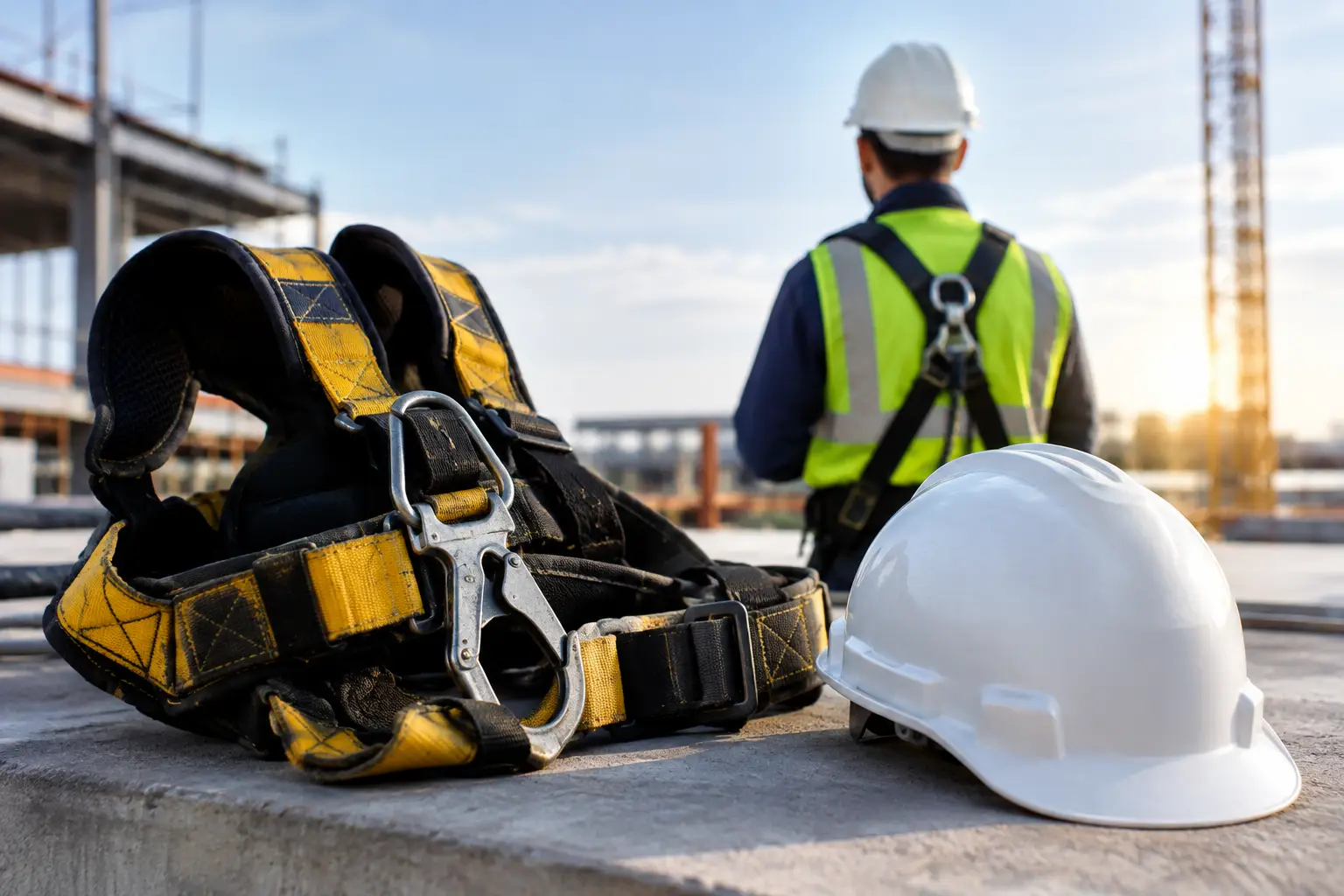
When Should Safety Harnesses Retire on Site?
A fall-arrest harness can look serviceable after months on a busy project, even when its protection has been compromised by loading, heat, chemicals, or poor storage. The question, when should safety harnesses retire, is not a purchasing detail. It is a site-control decision that affects worker safety, inspection readiness, and whether work at height can continue without creating unnecessary risk.
For contractors and facilities teams, the practical rule is straightforward: retire a harness whenever its condition, history, labeling, or manufacturer guidance no longer supports safe use. Do not keep questionable equipment in circulation because a replacement is not immediately available. Quarantine it, identify it clearly, and arrange a compliant replacement before the next shift.
When Should Safety Harnesses Retire?
A safety harness must be removed from service immediately after it has arrested a fall. Even if the webbing and hardware appear undamaged, the forces involved may have affected components that cannot be verified through a visual check. The harness should not return to normal site use unless the manufacturer specifically authorizes a documented assessment process.
Retirement is also required when the harness fails a pre-use or formal inspection. This includes cuts, burns, broken stitches, chemical contamination, excessive abrasion, damaged D-rings, distorted buckles, or malfunctioning adjustment hardware. A missing or unreadable product label is another reason to remove the harness. Without the label, the site team cannot confirm the model, serial information, manufacturing date, applicable standard, or manufacturer inspection and retirement requirements.
The manufacturer’s instructions remain the controlling document for service life. There is no universal calendar date that applies to every harness. Some manufacturers set a defined maximum lifespan from the date of manufacture, while others make continued use conditional on inspections, storage conditions, and the absence of damage. A harness used daily on a dusty exterior project, exposed to UV light and cement dust, will not age the same way as one held for occasional indoor maintenance work.
Damage That Requires Immediate Removal From Service
A competent inspector should examine every part of the harness, not only the most visible straps. If any of the following conditions are found, tag the harness “Do Not Use” and keep it out of the work area:
- Cuts, tears, fraying, broken fibers, severe abrasion, or worn edges on load-bearing webbing
- Heat damage, melting, glazing, scorching, hard spots, or discoloration caused by welding, grinding, or hot work
- Chemical exposure, paint saturation, oil contamination, mold, or unusual stiffness that may weaken webbing fibers
- Missing, loose, pulled, or damaged stitching at load-bearing joints and attachment points
- Cracked, bent, corroded, heavily worn, or sharp-edged D-rings, buckles, grommets, adjusters, and connectors
- A deployed fall indicator, unauthorized alteration, unreadable labeling, or a history that cannot be verified
Do not attempt to repair harness webbing with tape, stitching, adhesive, or replacement parts from another model. Field repairs can change how a fall-arrest system distributes load. Only the manufacturer or an authorized service provider should perform any repair that is permitted for that specific product.
A Harness Can Expire Before Its Date Does
A printed manufacturing date is useful, but it does not guarantee that a harness remains safe until a certain year. Site conditions often determine whether equipment reaches the end of service sooner than expected.
On construction projects, harnesses may be stored in vehicle cabins, temporary stores, rooftop work areas, or near chemicals and hot-work zones. Direct sun, humidity, dust, poor ventilation, and temperature extremes can accelerate deterioration. Cement dust and construction chemicals can be especially problematic when equipment is left uncleaned after use.
Equipment history matters just as much. A harness that has been transferred between crews without inspection records creates a compliance gap. If the procurement team cannot verify its date of manufacture, inspection status, exposure history, and fall-arrest history, replacement is usually the safer operational decision. The cost of one approved harness is minor compared with a work stoppage, incident investigation, or failed safety audit.
Build Retirement Into the Inspection Process
Reliable harness management starts before a worker clips on. The user should carry out a pre-use inspection at the beginning of each shift and whenever the equipment may have been exposed to damage. A designated competent person should also complete and document periodic detailed inspections at the frequency required by the manufacturer, project safety plan, and applicable regulations.
Pre-use checks should be quick but deliberate. Inspect the webbing by running it through the hands and looking for abrasion, cuts, contamination, stiff areas, or loose stitching. Check D-rings and buckles for cracks, corrosion, deformation, sharp edges, and smooth operation. Confirm that labels are legible and that the fall indicator has not deployed.
Formal inspections should go further. The inspector should review the harness identification number, manufacturing date, previous inspection record, cleaning history where relevant, and any reported incident or chemical exposure. A simple register prevents expired or rejected equipment from returning to site by mistake.
The critical distinction is between inspection and acceptance. A harness should not remain in use merely because no one has reported a defect. It must be positively accepted as suitable for use. If there is doubt, remove it from service until a qualified decision is made.
Use Clear Tags and Controlled Storage
A red “Do Not Use” tag is not enough if rejected equipment is left beside active stock. Keep quarantined harnesses in a separate, controlled area so they cannot be issued during an urgent shift change. Record the reason for retirement, the inspection date, the inspector, and whether the harness will be destroyed, returned to the manufacturer, or retained only for documented investigation.
Store approved harnesses clean, dry, and away from direct sunlight, chemical vapors, sharp materials, and heat sources. Hanging them in a ventilated cabinet or placing them in dedicated equipment bags is preferable to leaving them on a floor, scaffold deck, or vehicle dashboard. Good storage extends usable life, but it never overrides a failed inspection or manufacturer retirement rule.
Replace the Full System, Not Just the Harness
A harness is one part of a fall-protection system. Lanyards, energy absorbers, self-retracting lifelines, rope grabs, connectors, anchor straps, and anchorage points all require compatible specifications and inspection control. Replacing a damaged harness while continuing to use a deployed energy absorber or corroded connector does not restore a safe system.
Procurement teams should standardize approved fall-protection assemblies by task. Roof work, steel erection, confined access, maintenance, and elevated MEP installation may require different connection methods and clearance calculations. Buying individual components based only on price can introduce compatibility issues, especially when products from different manufacturers are combined without approval.
For active projects, maintain a ready replacement quantity based on crew size and work-at-height activities. This avoids the common problem of a harness being rejected in the morning and workers either waiting for equipment or using an unsuitable spare. A controlled stock of approved safety equipment keeps the site moving without compromising compliance.
Procurement Controls That Prevent Last-Minute Risk
When ordering safety harnesses, confirm the product is genuine, properly labeled, and supplied with manufacturer instructions and inspection guidance. Select equipment that matches the project’s fall-arrest plan, worker fit requirements, attachment configuration, and environmental exposure. Warranty support and traceable documentation are valuable because they help safety teams investigate concerns quickly.
For contractors managing multiple sites, centralized purchasing also improves traceability. Assign each harness an asset number, record its issue date and inspection status, and ensure replacements are sourced to the same approved specification. Yasu Trading Co. LLC supports project buyers with jobsite-ready safety equipment and procurement guidance so replacement decisions do not become an avoidable schedule delay.
Treat Uncertainty as a Retirement Trigger
The best time to decide a harness is no longer fit for service is before a worker depends on it. If a fall has occurred, a label cannot be read, inspection records are missing, or the equipment shows any sign of damage or contamination, remove it from use and replace it with an approved unit. That disciplined decision protects people first, while keeping site operations compliant, auditable, and ready to proceed.