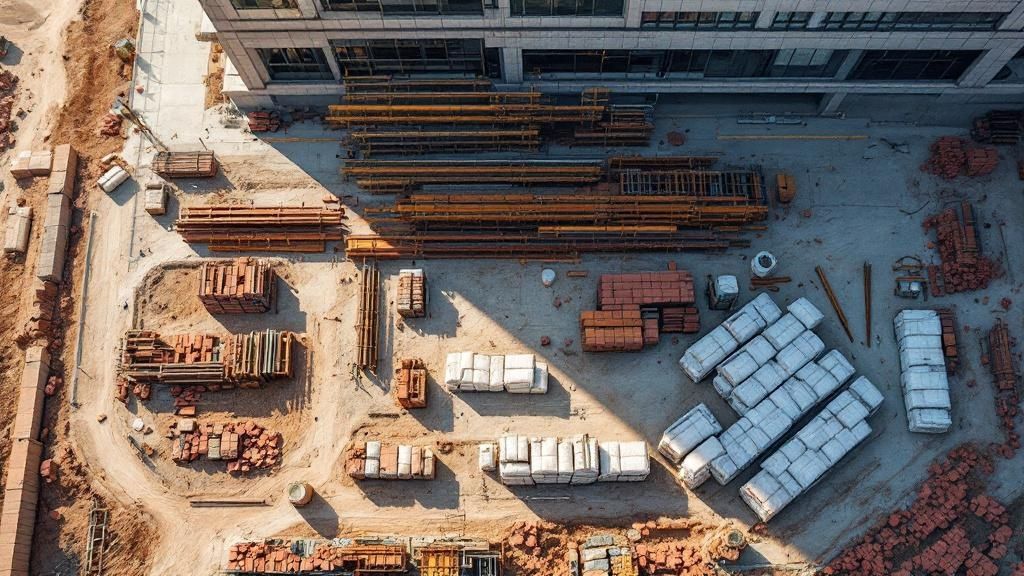
Your Guide to Building Materials in Sharjah
Kicking off a construction project in Sharjah is a big deal. The market is bustling and full of opportunity, but you need to know what you're doing. Think of this guide as your personal roadmap, whether you're a seasoned developer or building your first home. We'll walk through how to source the best building materials in Sharjah and make sure your project is built on a solid foundation from the very beginning.
Starting Your Construction Project in Sharjah
Jumping into a construction project in the Emirate of Sharjah is an exciting prospect, but it’s one that demands a lot of prep work and a real understanding of the local scene. It’s like setting off on a major expedition—you wouldn’t leave without a map and a solid plan. Your project's success depends on the same things: the right strategy, the right partners, and the right materials.
The early stages are about so much more than just drawing up blueprints. You have to get to grips with the unique supplier networks, nail the strict regulatory requirements, and factor in the economic currents that affect material costs and availability. Getting this right from the start is what helps you build a budget that actually works, steering clear of those nasty, expensive surprises later on.
Understanding the Economic Climate
Sharjah’s economy is on the move, and that growth is the engine for a huge amount of construction. This creates a high demand for a massive variety of building materials. In fact, the Emirate's GDP is forecast to surge past 145 billion dirhams by 2025. This momentum means more competition for the same resources, which makes a smart procurement strategy absolutely essential.
On the upside, this economic drive is also spurring on local manufacturing. This is great news, as it can help keep prices more stable and cut down our reliance on imports. Having a supplier who really gets these market dynamics is a game-changer.
This is where a partner like Yasu Trading Co. really proves their worth. We can help you navigate this busy environment, giving you insights into market trends and making sure your procurement is as smooth and efficient as it can be. We’re here to guide you, helping you find top-quality materials that fit your budget and your timeline perfectly.
Laying the Groundwork for Success
Before you even think about pouring the first bit of concrete, there are a few crucial steps to lock down to ensure everything runs smoothly. Project planning isn’t just about the design—it’s about logistics and security, too. When getting your Sharjah project off the ground, you have to think through every operational detail. For example, solid site security is a major priority for any developer. You can learn more by reading A Guide to Comprehensive Security for Your Construction Site.
By taking care of these preliminary steps properly, you’re not just ticking boxes; you’re building a strong framework for a successful project.
Choosing the Right Building Materials for Your Needs
Picking the right materials for a construction project in Sharjah isn't just about what looks good on the blueprints. It’s about performance, long-term durability, and how every single component will stand up to the region's demanding climate. Think of it less like shopping and more like strategic planning.
A building is a lot like a living thing. It has a skeleton for strength, a skin for protection, and a whole network of systems to keep it functional. Each part demands specific materials to do its job right. Getting this right isn't just a "nice-to-have"—choosing the proper heat-resistant insulation or humidity-proof finishes is absolutely essential for a successful, lasting build here.
The Core Components of Construction
Every structure, whether it's a soaring tower or a single-family home, is assembled from three basic groups of materials. Getting a handle on their roles is the first real step to making smart procurement decisions.
- Structural Materials: This is the skeleton. These are the load-bearing workhorses like steel beams and reinforced concrete that give the project its strength, shape, and stability. They hold everything else up.
- Finishing Materials: This is the protective "skin." These materials wrap the structural frame, from exterior cladding and roofing to the interior paint, tiles, and flooring. They're the first line of defence against the elements and give the building its final look.
- MEP Supplies: This is the building’s nervous and circulatory system. Mechanical, Electrical, and Plumbing (MEP) covers all the wiring, pipes, ducts, and fixtures that make a space liveable and functional.
This visual gives you a better idea of the foundational materials that form the backbone of any project.
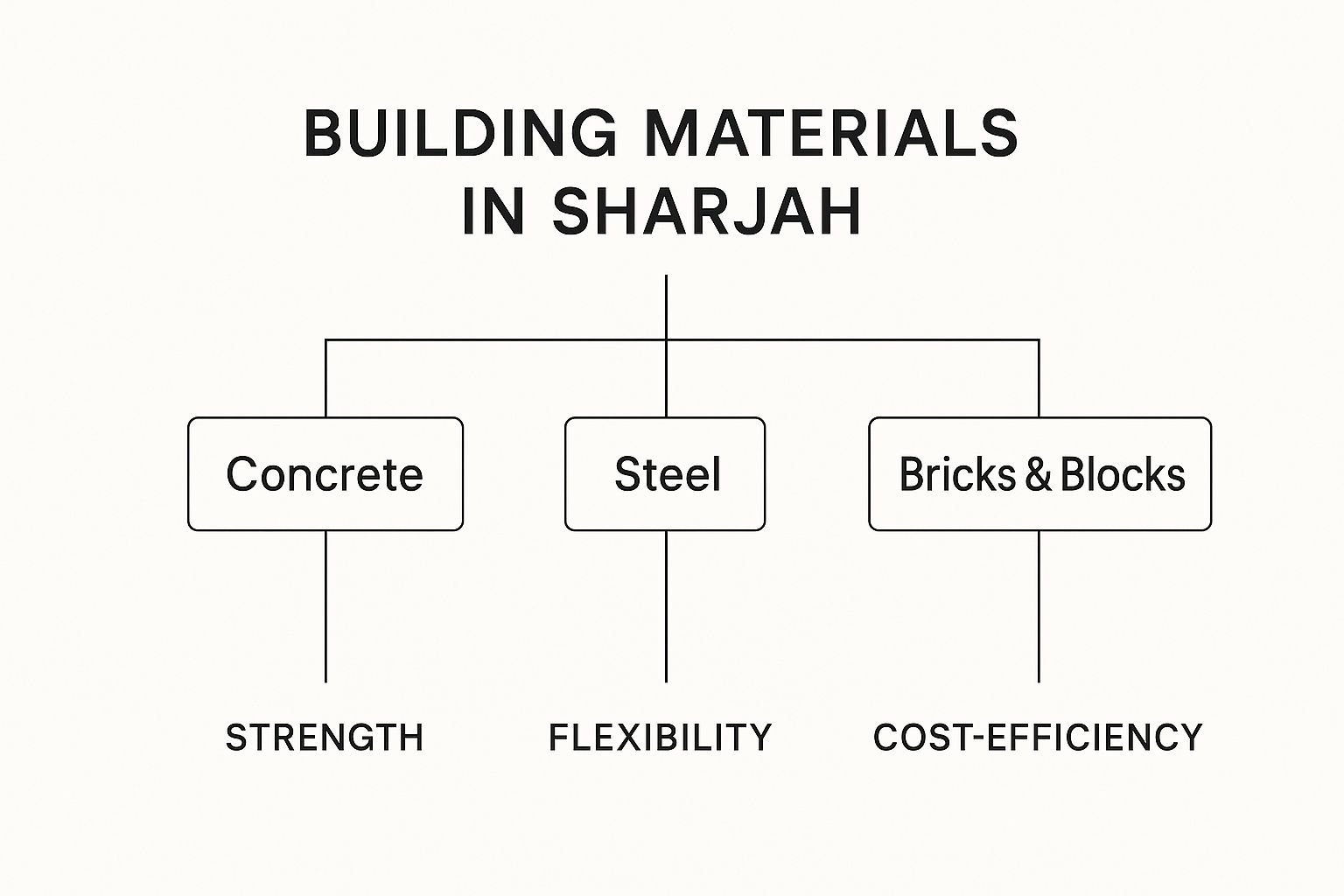
As the infographic shows, selecting core materials is a constant balancing act between raw strength, structural flexibility, and overall cost. These decisions shape the entire project, right from the ground up.
Matching Materials to Sharjah’s Climate
The climate here in Sharjah isn’t just a minor detail; it’s a major factor that should dictate your material choices. The intense summer heat and persistent humidity mean that many standard, off-the-shelf products just won't cut it. You need materials specifically engineered to perform in these tough conditions.
For instance, opting for cheap insulation might seem like a win at first, but it will quickly lead to skyrocketing cooling bills and potential moisture issues. A superior, heat-resistant material acts like a high-quality thermal flask, keeping the precious cool air in and the brutal heat out. It’s a crucial investment for both comfort and energy efficiency.
A building's resilience is directly linked to the quality of its parts. A material that works perfectly well in a milder climate can fail surprisingly fast under Sharjah's relentless sun and humidity. This is precisely why partnering with a knowledgeable local supplier isn't just a good idea—it's non-negotiable.
It’s the same story for exterior finishes, which need powerful UV resistance to avoid fading and breaking down. When you’re making these choices, always think long-term. Considering innovative options like sustainable building materials can not only boost durability but also help create a greener, more responsible build.
To help you visualise these critical choices, here's a breakdown of the key material categories and what to look for when building in Sharjah.
Key Building Material Categories and Their Applications
| Material Category | Common Examples | Primary Application | Key Consideration for Sharjah Climate |
|---|---|---|---|
| Structural | Steel Beams, Reinforced Concrete, Cement | Forming the core frame and foundation. | High compressive strength and resistance to heat-induced expansion. |
| Masonry | Concrete Blocks, Bricks | Creating walls, partitions, and facades. | Excellent thermal mass to help regulate indoor temperatures. |
| Finishing | Tiles, Paint, Cladding, Plaster | Interior/exterior surfaces, aesthetics. | UV-resistant paints and finishes; non-porous tiles to resist humidity. |
| Insulation | Foam Boards, Mineral Wool | Preventing heat transfer through walls and roofs. | High R-value and resistance to moisture absorption are critical. |
| MEP | PVC/Copper Pipes, Electrical Wiring, HVAC Units | Plumbing, electrical systems, and climate control. | Corrosion-resistant pipes and high-efficiency, robust AC systems. |
This table provides a snapshot, but understanding the flow of a project helps put these material needs into context.
Making Smart Choices for Each Phase
Different stages of construction call for different priorities. Your focus will naturally shift from raw strength to aesthetics and functionality as the project moves forward.
- Foundation and Structure: In the beginning, it’s all about strength and durability. High-quality cement, rebar, and structural steel are the heroes here. Cutting corners at this stage can put the entire structure at risk.
- Enclosure and Finishing: Once the skeleton is up, your focus turns to roofing, cladding, windows, and doors. The key factors are weather resistance, insulation properties, and, of course, the visual appeal.
- Interior and Services (MEP): The final stretch involves plumbing, wiring, HVAC, and all the interior touches like paint, tiles, and fixtures. Here, you're balancing performance, safety, and the desired atmosphere of the space.
Understanding this natural progression helps you manage your budget and prioritise the right https://yasutrading.com/blog/uae-building-materials at the right time. By making smart, climate-conscious decisions at every turn, you ensure your project doesn't just look fantastic on day one, but remains strong and resilient for years to come.
Navigating Sharjah Construction Regulations and Standards

In Sharjah’s booming construction world, it’s easy to view regulations as red tape. But they’re not obstacles; they’re the very blueprint for quality. Think of them as a promise that every new structure is safe, sound, and built to last. Following these rules isn’t just about ticking boxes—it's about building with integrity and ensuring your project holds its value for years to come.
This means sourcing the right building materials in Sharjah is about more than just price or availability. It's about deeply understanding the local regulatory landscape. Every single item, from a massive steel I-beam down to the humble fire-resistant sealant, has to meet specific criteria set by the authorities. This isn't bureaucracy for its own sake; it’s a system designed to protect everyone involved, from the developer to the family moving in.
The Role of Sharjah Municipality
At the centre of this framework, you’ll find the Sharjah Municipality. They are the governing body that sets, updates, and enforces the standards for all building materials used across the emirate. Before any material makes its way to a construction site, it must either be on their pre-approved list or be accompanied by robust documentation proving it meets their demanding requirements.
This approval process is your project's first line of defence. It guarantees that materials are tough enough to handle our unique climate—the scorching heat, the persistent humidity—without failing. By partnering with a supplier who’s already done the homework on these municipal mandates, you can sidestep the nightmare of rejected materials, which almost always leads to costly delays.
Compliance is the bedrock of a successful project. Cutting corners with uncertified materials might look like a smart way to save on initial costs, but it almost always backfires. It can lead to failed inspections, expensive rework orders, and even legal trouble. The security and peace of mind you get from using certified products are worth far more than any small savings upfront.
Imagine, for instance, a contractor saves a few dirhams on uncertified electrical wiring. When the municipal inspector inevitably flags it, the cost to rip out the faulty wires and replace them—plus the time lost on the project schedule—will dwarf those initial savings. It’s a classic case of a short-term gain leading to long-term pain.
Adhering to the UAE Fire and Life Safety Code
Beyond a material's general durability, fire safety is treated with the utmost seriousness. The UAE Fire and Life Safety Code of Practice is a non-negotiable part of any build. This exhaustive document outlines the exact specifications for materials to ensure they resist fire, prevent its spread, and allow people to evacuate safely. There is zero tolerance for non-compliance here.
The code is incredibly specific and covers a wide array of materials, including:
- Façade and Cladding Systems: All external materials must be non-combustible or carry a high fire-resistance rating to stop a fire from climbing the building's exterior.
- Insulation: Only approved, fire-retardant insulation is permitted within wall cavities and roofing.
- Fire-Stopping Materials: Specialised sealants, collars, and putties are mandatory for sealing gaps where pipes and cables pass through walls, effectively containing a fire within a single compartment.
This is where a knowledgeable supplier becomes your most valuable partner. At Yasu Trading Co., we make it our business to stock certified, fire-rated building materials in Sharjah. We provide the full documentation you need, giving you the confidence that your project is built to the highest safety standards. To get a better grasp of the rules, have a look at our detailed post about navigating regulations for building materials in the UAE.
The Rise of Green Building Regulations
Sustainability isn’t just a buzzword anymore; it’s rapidly becoming a core regulatory requirement in Sharjah. The emirate is committed to the UAE's wider vision for a sustainable future, actively promoting the use of eco-friendly and energy-efficient building materials.
These green building regulations, often guided by local programmes like Estidama or global standards like LEED, are all about shrinking a building's environmental footprint. This pushes for materials with high recycled content, low-VOC (Volatile Organic Compound) paints and adhesives, and superior insulation that cuts down on the energy needed for air conditioning. Of course, building green also means building safe. For a comprehensive guide to construction safety training, this resource is a great place to start. Embracing these practices from the outset ensures your project is not just compliant today, but truly ready for the future.
Innovations in Construction Materials and Technology
The future of construction is already here, and Sharjah is right at the heart of this evolution. We're seeing a major shift in the world of building materials in Sharjah, moving past the old reliables like concrete and steel to embrace new products that make our buildings stronger, safer, and far more sustainable. This isn't science fiction; these are practical, real-world solutions available right now.
Think of it like restoring a classic car. You wouldn't dream of changing the beautiful, timeless body, but you'd absolutely swap the old, clunky engine for a modern, high-performance one. That’s what today’s advanced materials do for buildings—they enhance performance from the inside out without having to reinvent the entire construction process.
The Impact of Advanced Construction Chemicals
One of the most exciting areas of progress is in specialised construction chemicals. These aren't just simple additives you toss into a mix. They are highly engineered solutions designed to fundamentally change and improve the properties of core materials like concrete. They’re the secret sauce that turns good materials into great ones.
Here are a few game-changers we see on projects across Sharjah:
- Concrete Admixtures: When mixed into concrete, these chemicals dramatically boost its strength, workability, and long-term durability. This is absolutely critical for creating structures that can stand up to the region's demanding climate.
- Advanced Waterproofing Agents: These create a completely impermeable shield, protecting foundations and walls from moisture. In a humid climate like the UAE's, this is a non-negotiable defence.
- Protective Coatings: Think of these as a building's sunscreen. They shield surfaces from harsh UV rays, salt spray, and pollution, which extends the building's life and slashes future maintenance costs.
This isn't just a niche trend; it's a massive market. The construction chemicals sector in the UAE, which includes Sharjah, was valued at around USD 1.4 billion in 2024. Experts predict it will climb to USD 1.81 billion by 2030. That kind of growth is fuelled by the undeniable value these products add to durability and sustainability. You can dig deeper into these market dynamics and forecasts on Markntel Advisors.
Technology-Driven Quality and Sustainability
It’s not just about the chemicals, either. Technology is playing a massive role in redefining what quality and environmental responsibility look like on a construction site. Innovations that once seemed futuristic are now becoming standard practice, showing a real commitment to building better.
New technologies, like AI-powered quality monitoring and low-VOC products, are not just buzzwords. They are practical tools that directly improve structural integrity and promote environmental health, delivering tangible value to developers and end-users alike.
For instance, AI-powered sensors can now monitor the concrete curing process in real-time, ensuring it achieves its maximum design strength. This takes the guesswork out of a critical process and provides solid, verifiable quality assurance. At the same time, the push for green building has made low-VOC (Volatile Organic Compound) products a must-have. These paints, sealants, and adhesives release far fewer harmful chemicals, creating healthier indoor air for the people who will eventually live and work in the space.
Choosing to invest in these modern materials and technologies is more than just a good idea—it's a smart, strategic decision. It results in buildings that don't just meet today's codes but are also more resilient, cheaper to operate, and better for the people inside them. While we're focused on Sharjah here, you might also find it useful to check out our guide on trending construction materials in Dubai to see how these trends are taking shape across the UAE.
A Practical Guide to Procuring Building Materials
This is where the rubber meets the road. Sourcing the right building materials in Sharjah is the moment a project’s carefully laid plans—the budget, the timeline—collide with reality. Getting this stage right protects your bottom line. Getting it wrong can derail everything.
Think of procurement less like a shopping trip and more like a strategic mission. It demands a sharp eye, a healthy dose of diligence, and, most importantly, strong relationships. Success here isn't just about the price tag on a pallet of bricks or a bundle of steel. It’s about vetting suppliers, masterfully balancing cost against quality, and building partnerships that last.
Verifying Suppliers and Balancing Costs
Your first move should always be solid supplier verification. In a market as active as Sharjah's, it’s all too easy to get lured in by a rock-bottom price, but that’s often a costly trap. A truly credible supplier is more than just a vendor; they're a partner invested in your project's success.
When you're sizing up potential suppliers, here’s what you should be looking for:
- Track Record and Reputation: Are they a known entity in the local construction scene? Ask for references and look into projects they've supplied that are similar to yours. A good reputation is earned, not bought.
- Certification and Compliance: They must be able to prove their materials meet all Sharjah Municipality and UAE Fire and Life Safety Code standards. A professional supplier will have this documentation ready to go, no excuses.
- Quality Control Processes: Don’t be afraid to ask how they ensure quality. What are their internal checks? How do they guarantee the materials that arrive on-site are exactly what you ordered?
The balancing act between cost and quality is a true art form. The cheapest material on offer is almost never the best value. Spending a little more upfront for a superior product can save you a fortune down the line in reduced maintenance, fewer replacements, and zero compliance headaches.
A valuable supplier relationship goes beyond transactions; it's built on trust and a shared understanding of the end goal. A partner like Yasu Trading Co. works on transparent pricing and unwavering quality, ensuring you receive the best possible value for your investment—not just the lowest initial cost.
Navigating Market Volatility and Supply Chain Challenges
The construction market doesn't stand still. Global economic tremors constantly send ripples through local markets, causing price swings and supply chain hiccups. If you’re not prepared for this volatility, your project schedule and budget are at risk.
Lately, the entire UAE has felt the sting of price instability in building materials, a direct result of global supply chain interruptions. This has forced many developers to go back to the drawing board on budgets and timelines. One of the biggest shifts we’ve seen is in payment terms. The traditional 120-150 day credit periods are disappearing, with many suppliers now demanding full payment when construction begins. This has a massive impact on a project’s cash flow, making meticulous financial planning and trustworthy supplier partnerships more critical than ever. You can read more about these market shifts impacting the UAE construction sector.
The best way to manage these challenges? Keep the lines of communication with your supplier wide open. A great partner will give you a heads-up on potential delays or price changes, giving you time to adapt your strategy.
Best Practices for Smart Procurement
If you want to minimise risk and maximise efficiency on every job, you need a smart, repeatable procurement process. It doesn't have to be complicated.
Here's a simple, three-step framework that works:
- Define Clear Specifications: Before you even think about asking for a price, know exactly what you need. This means detailing the material type, grade, dimensions, and necessary certifications. Vague requests get you vague quotes and, eventually, big problems.
- Request Multiple, Detailed Quotes: Never settle for the first quote you get. Reach out to at least three suppliers and ask for itemised quotations. This lets you compare apples to apples on specific building materials in Sharjah, not just a bundled, confusing total.
- Establish Strong Contract Terms: Your contract or purchase order is your shield. It should clearly spell out delivery schedules, payment terms, quality standards, and what happens if defective or incorrect materials show up.
When you adopt these practices, procurement stops being a simple chore and becomes a strategic advantage. It’s how you get the right materials, at the right time, for the right price.
Finding a Reliable Building Materials Partner
With all the pieces in place, the final, most critical element of your construction puzzle is the supplier relationship. This isn't just about placing an order and getting a delivery. It’s about forging a genuine partnership that becomes the bedrock of your project's success. This is where a supplier gives you more than just materials; they provide peace of mind, seasoned advice, and unwavering reliability.
Think of it like choosing a co-pilot for a long and complex flight. You don't just want someone who can read a map; you need a professional who understands the route, anticipates turbulence, and has the skill to navigate any challenge that comes up. A simple vendor just takes an order. A true partner for building materials in Sharjah is invested in your project's outcome, making sure every delivery strengthens it from the ground up.
The Difference Between a Vendor and a Partner
So, what's the real difference? A vendor sells you products. A partner helps you build your vision. In a market as demanding and detailed as Sharjah's, this distinction is everything. Here, things like material quality, strict regulatory compliance, and on-the-dot logistics are simply non-negotiable.
Sure, a vendor might tempt you with a low price tag, but a partner delivers real, measurable value. This value is built on a foundation of trust, deep-seated expertise, and a shared dedication to getting it right. It’s the difference between a supplier who just drops off a pallet and one who proactively confirms your order has all the necessary compliance certificates before it even leaves their warehouse.
The ultimate measure of a supplier isn’t the price of their materials, but the value of their support. A reliable partner like Yasu Trading Co. works like an extension of your own team, giving you the insights and confidence needed to navigate the complexities of the Sharjah market.
This kind of partnership gives you direct access to a wealth of knowledge—from knowing which materials can handle the hyper-local climate to ensuring every single item meets the stringent UAE Fire and Life Safety Code. It’s this expert guidance that turns procurement from a potential minefield into a strategic advantage.
What to Look for in a Supply Partner
When you're trying to spot a top-tier supplier, you need to look past the product catalogue. You’re assessing their capability, their dependability, and their commitment to seeing you succeed.
Here are the key qualities that separate the best from the rest:
- Deep Regulatory Knowledge: Your partner needs to be fluent in the language of Sharjah Municipality approvals. They should be the ones bringing you the required paperwork, ensuring your materials are fully compliant the moment they hit your site.
- Commitment to Quality: Look for suppliers who have their own tough quality control systems. They should have solid relationships with trusted manufacturers and be completely transparent about where their products come from and what their specifications are.
- Robust Logistical Capabilities: A great partner gets it: in construction, timing is everything. They must have a proven history of on-time deliveries and crystal-clear communication to keep your project running like clockwork.
Your Success Is Our Foundation
As this guide has laid out, sourcing building materials in Sharjah means navigating a dynamic world of products, regulations, and market pressures. From picking the right climate-ready finishes to guaranteeing full compliance with local codes, every single decision you make affects your project's integrity and long-term value.
A knowledgeable and dependable supplier is the common thread that ties all these crucial elements together. They are your guide and your safety net, helping you make smart choices that protect your budget, your timeline, and your reputation.
At Yasu Trading Co., we are dedicated to being that partner. We don't just offer a comprehensive portfolio of high-quality, certified materials; we bring the hands-on expertise you need to succeed in Sharjah. Connect with us, and let's ensure your next project is built on a foundation of absolute quality and trust.
Frequently Asked Questions
Stepping into a construction project in Sharjah brings its own unique set of questions. It's completely normal. Whether you've been in the industry for decades or this is your first build, getting the details right from the start is what separates a smooth project from a stressful one.
Think of it this way: choosing your materials isn't just about what looks good on the blueprint. It's about understanding how those materials will stand up to the UAE's specific climate—from the intense summer sun to the persistent humidity. Getting this right saves you from headaches and costly fixes down the road.
What Are the Best Materials for Sharjah's Climate?
You have to choose materials that are built for high heat and humidity. It’s like picking the right gear for an expedition; you wouldn't wear a winter coat in the desert.
Here’s what really matters:
- High-Performance Insulation: Materials with a high R-value are non-negotiable. They are the first line of defence against the heat, keeping interiors cool and easing the burden on your AC systems.
- UV-Resistant Finishes: The sun here is relentless. Your exterior paints and cladding need to be tough enough to face constant UV exposure without fading, cracking, or breaking down.
- Corrosion-Resistant Metals: With the humidity, standard metals can rust in no time. Always opt for galvanised steel or specially treated metals for your structural and MEP (Mechanical, Electrical, and Plumbing) systems.
- Waterproofing Solutions: You can't cut corners on this. Modern waterproofing membranes and coatings are essential for foundations, roofs, and wet areas to block out moisture and prevent long-term damage.
Using the wrong materials is a recipe for disaster. You'll end up with rapid wear and tear, soaring energy bills, and a constant cycle of expensive repairs.
What Documentation Is Needed for Material Approval?
In Sharjah, compliance is everything. Before any material makes it to your site, the Sharjah Municipality needs to see the right paperwork. This isn't just bureaucracy; it's your project's quality and safety guarantee.
The most critical piece of documentation is a Certificate of Compliance or a conformity certificate from an accredited lab. This proves the material has been rigorously tested and meets all the performance and safety standards demanded by local regulations, including the UAE Fire and Life Safety Code.
A good, trustworthy supplier won't make you chase this down. They'll have it ready. Test reports, technical data sheets, and certificates of origin should be standard issue for every product they sell. Trying to use uncertified materials is a gamble you’ll always lose—it leads to failed inspections, frustrating delays, and even having to rip out and replace materials. It’s simply not worth the risk.
At Yasu Trading Co. LLC, we do more than just sell materials—we deliver peace of mind. We make sure every single product we offer is fully certified and ready for your Sharjah project, so you can build with total confidence. Discover our range of premium, certified construction essentials at https://yasutrading.com and let's build something great together.